Digital Marketplace Growth Strategies Using AI and Ecommerce Automation
- June 11, 2026
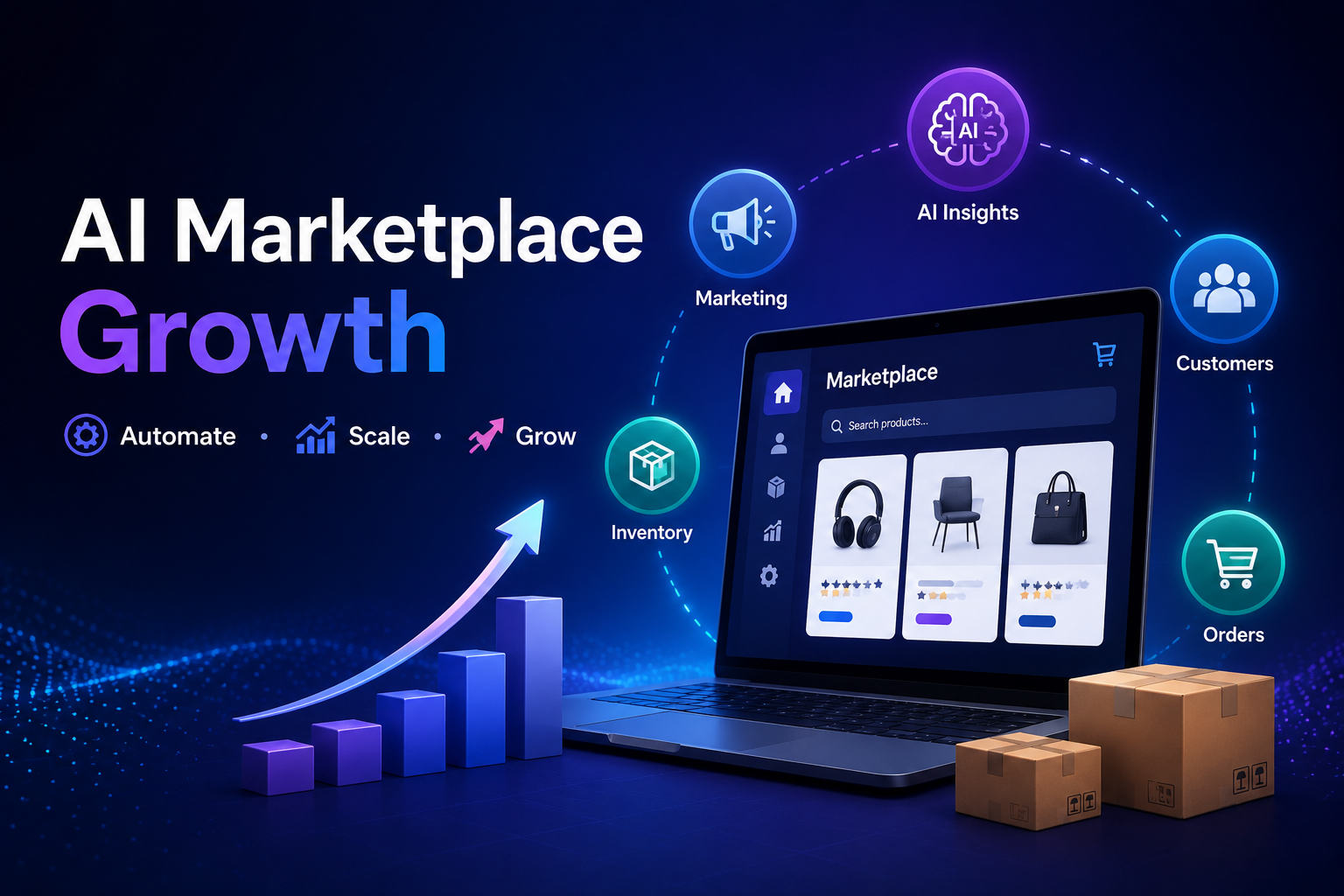
The digital commerce industry is becoming increasingly competitive as businesses look for new ways to attract customers, improve operations, and increase revenue. Building a successful digital marketplace requires more than simply connecting buyers and sellers. Businesses need intelligent strategies, efficient workflows, and advanced technology to achieve sustainable growth.
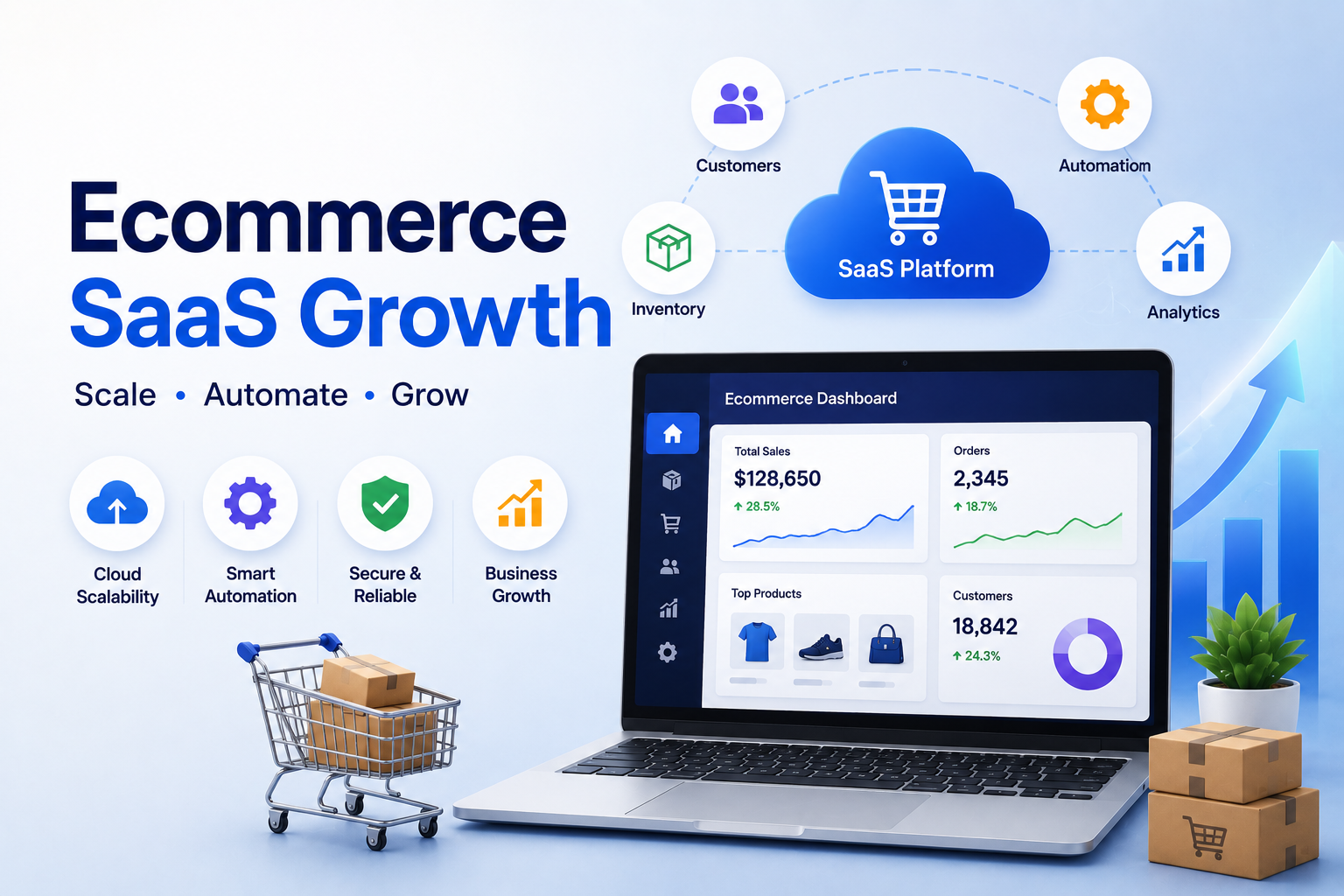
As customer expectations continue to change, companies are adopting an ecommerce automation platform to improve marketplace performance. Automation combined with artificial intelligence helps businesses optimize marketing activities, personalize customer experiences, and manage complex operations more efficiently.
For modern marketplace businesses, AI-driven automation is becoming a powerful tool for improving growth, efficiency, and long-term competitiveness.
The Changing Landscape of Digital Marketplaces
A digital marketplace allows multiple sellers and customers to interact within a single online ecosystem.
Modern marketplaces include:
- Multi-vendor ecommerce platforms
- B2B marketplaces
- Service marketplaces
- Online product platforms
- Industry-specific commerce networks
While marketplaces create new opportunities, scaling them successfully comes with challenges.
Businesses must manage:
- Customer acquisition
- Seller relationships
- Inventory visibility
- Order processing
- Customer experience
- Marketing performance
Without the right technology, growth can become difficult to manage.
Why Growth Marketing Matters for Digital Marketplaces
Growth marketing focuses on continuous improvement across the customer journey.
Instead of relying only on traditional advertising, businesses use data-driven strategies to improve:
- Customer acquisition
- Conversion rates
- Customer retention
- Revenue generation
- Brand loyalty
A successful digital marketplace uses technology and insights to understand customer behavior and create better engagement strategies.
Strategy 1: Use AI for Customer Personalization
Personalization is one of the most effective ways to improve marketplace growth.
An advanced ecommerce automation platform can analyze:
- Customer preferences
- Browsing behavior
- Purchase history
- Engagement patterns
This allows businesses to deliver personalized experiences.
AI-Powered Recommendations
AI can suggest relevant products based on customer interests.
Benefits include:
- Higher engagement
- Increased average order value
- Better customer satisfaction
Personalized Marketing Campaigns
Automation helps businesses send targeted messages based on customer actions.
Examples include:
- Product recommendations
- Special offers
- Retention campaigns
Personalized communication improves customer relationships and encourages repeat purchases.
Strategy 2: Automate Marketplace Operations
Operational efficiency plays a major role in marketplace success.
As a marketplace grows, manual processes become difficult to manage.
An ecommerce automation platform helps automate:
- Seller onboarding
- Product approvals
- Inventory updates
- Order processing
- Customer notifications
Automation reduces workload and allows teams to focus on strategic growth activities.
Strategy 3: Improve Customer Acquisition With Data
Growing a marketplace requires attracting the right customers.
AI-driven analytics help businesses understand:
- Which channels perform best
- What customers are searching for
- Which products generate the most interest
- Where customers leave the buying journey
These insights help businesses optimize marketing investments and improve acquisition strategies.
A data-driven approach allows a digital marketplace to grow more efficiently.
Strategy 4: Optimize Inventory and Product Visibility
Product availability directly impacts customer experience.
Customers expect accurate information and quick fulfillment.
An ecommerce automation platform improves inventory management through:
Real-Time Stock Updates
Inventory information remains synchronized across channels.
Demand Prediction
AI helps businesses forecast product demand.
Product Optimization
Data insights help identify high-performing products.
Better inventory management improves customer satisfaction and increases sales opportunities.
Strategy 5: Improve Seller Performance
A successful digital marketplace depends on strong seller relationships.
AI and automation can help marketplace operators monitor:
- Seller performance
- Product quality
- Order accuracy
- Customer feedback
These insights help businesses maintain marketplace standards while supporting seller growth.
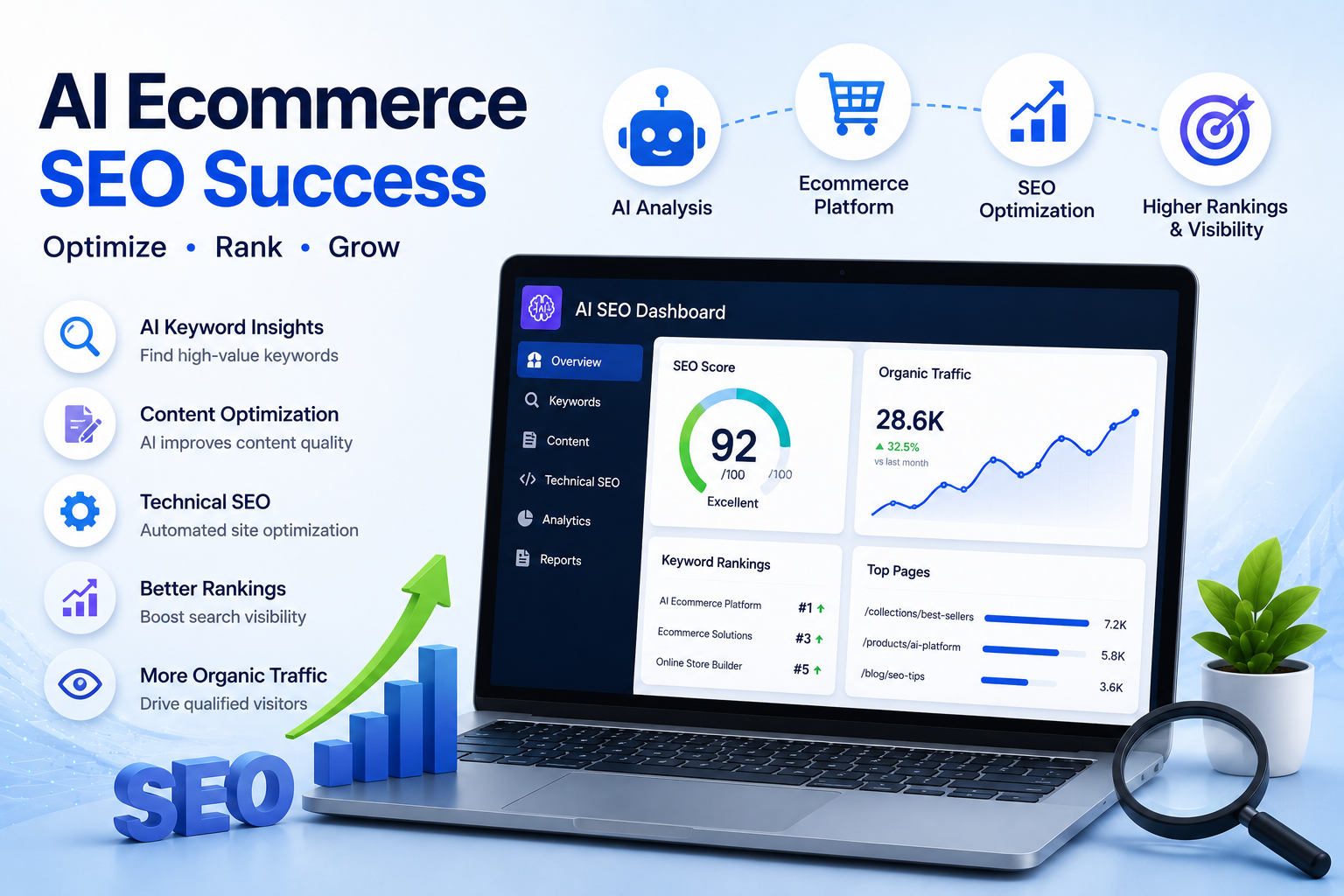
Strategy 6: Enhance SEO and Organic Growth
Organic visibility is essential for long-term marketplace success.
An ecommerce automation platform can support SEO efforts through:
Automated Content Optimization
AI tools can assist with improving:
- Product descriptions
- Category pages
- Metadata
- Internal linking
Technical SEO Improvements
Automation helps manage:
- Website performance
- Structured data
- Search-friendly content structures
Better SEO visibility helps marketplaces attract more qualified visitors.
Strategy 7: Use AI-Powered Analytics for Growth Decisions
Successful growth requires accurate insights.
AI systems analyze marketplace data to identify:
- Customer trends
- Sales opportunities
- Product demand
- Marketing performance
- Revenue patterns
This allows businesses to make faster decisions and adjust strategies based on real-time information.
Strategy 8: Build Omnichannel Experiences
Customers interact with brands across multiple platforms.
A growing digital marketplace may include:
- Websites
- Mobile apps
- Social commerce
- Partner channels
- Online communities
An ecommerce automation platform helps businesses maintain consistent experiences across all touchpoints.
This improves customer trust and strengthens brand relationships.
Future Trends in Marketplace Growth
The future of marketplace growth will be influenced by:
Artificial Intelligence
AI will continue improving personalization, automation, and decision-making.
Predictive Marketing
Businesses will use AI to predict customer needs and buying behavior.
Automated Customer Engagement
More customer interactions will become personalized and automated.
Connected Commerce
Marketplaces will integrate more deeply with business systems.
Companies that adopt these technologies early will gain stronger advantages.
Choosing the Right Ecommerce Automation Platform
When selecting a platform, businesses should consider:
Scalability
Can it support future marketplace growth?
Automation Features
Can it reduce manual work?
Analytics Capabilities
Does it provide useful business insights?
Integration Support
Can it connect with existing systems?
Customer Experience Tools
Does it improve personalization and engagement?
The right platform creates a strong foundation for sustainable marketplace expansion.
Conclusion
Growing a successful digital marketplace requires a combination of smart strategies, advanced technology, and efficient operations. AI and automation are transforming how businesses attract customers, manage workflows, and create personalized experiences.
An ecommerce automation platform enables marketplaces to scale faster by reducing complexity, improving efficiency, and supporting data-driven growth decisions.
As digital commerce continues to evolve, businesses that combine AI, automation, and growth marketing will be better positioned for long-term success.
CTA
Ready to accelerate your marketplace growth? Explore ecommerce automation solutions designed to improve efficiency, customer experience, and scalable digital commerce success.