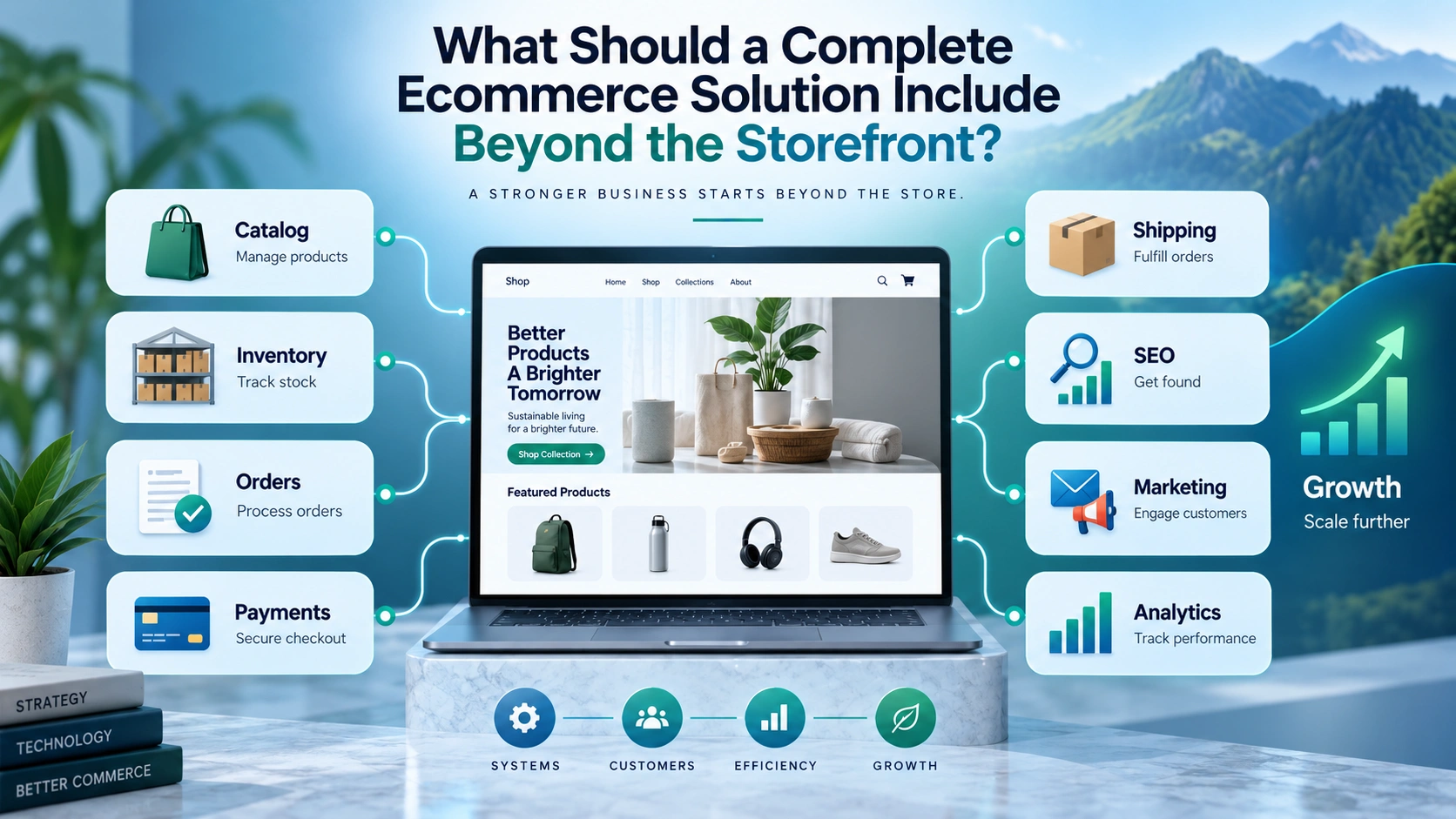
What Should a Complete Ecommerce Solution Include Beyond the Storefront?
September 14, 2026
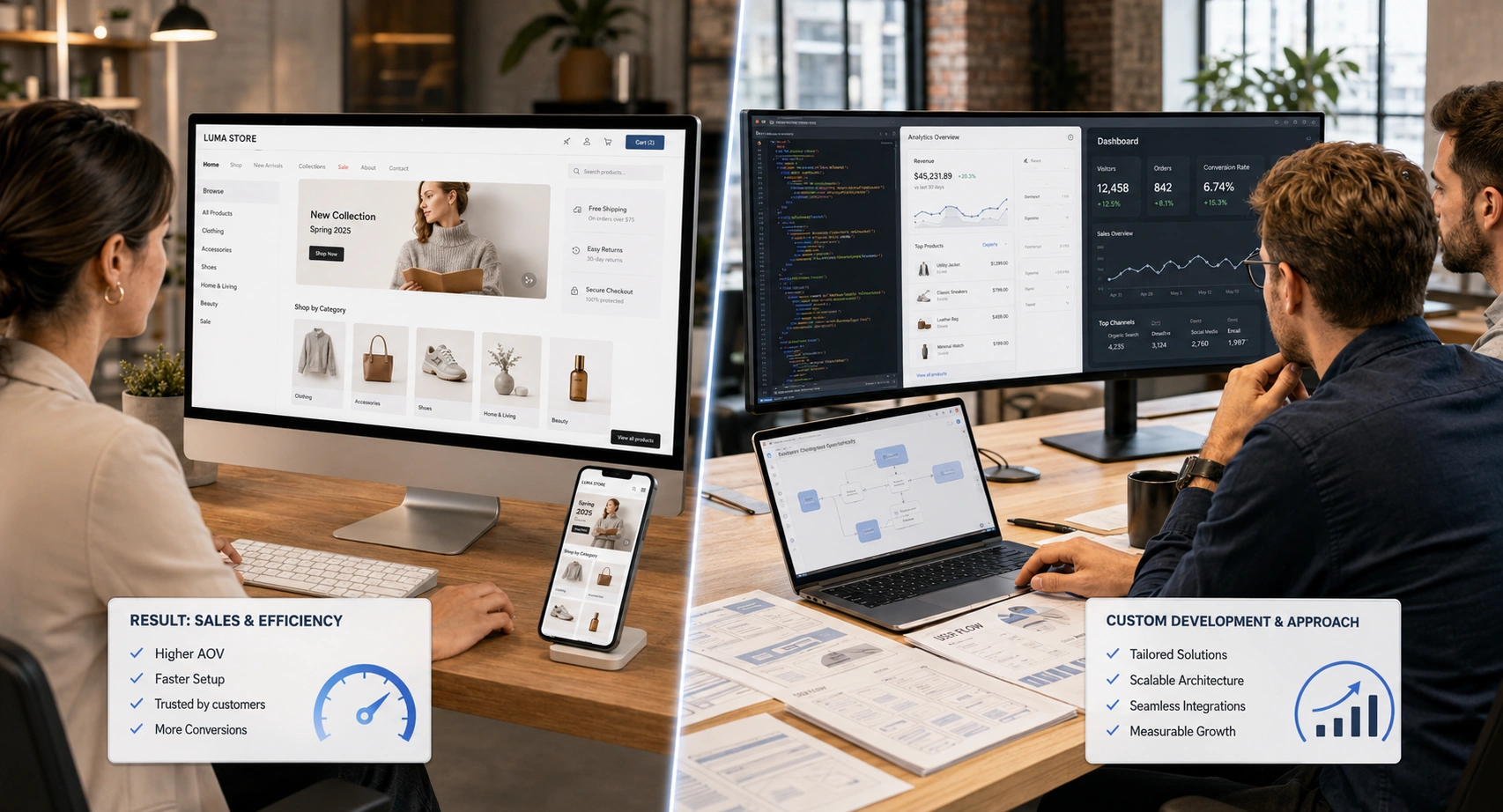
Launching an online store has become easier than ever, but choosing the right platform is one of the most important decisions for long-term success. Many businesses start with an ecommerce website builder because it offers a quick and affordable way to create an online store. However, as a business grows, many owners begin to wonder whether a custom-built ecommerce solution would better support their future goals.
An ecommerce website builder provides ready-made templates, built-in features, and simple management tools that help businesses launch quickly. On the other hand, ecommerce website development through custom solutions offers greater flexibility, advanced functionality, and complete control over the shopping experience.
Whether you’re a startup, a growing ecommerce brand, or an enterprise business, understanding the differences between these two approaches will help you choose the right solution for sustainable growth.
An ecommerce website builder is an all-in-one platform that allows businesses to create and manage online stores without extensive coding knowledge. Most builders include hosting, templates, payment integrations, and inventory management tools.
Key advantages include:
For startups and small businesses, an ecommerce website builder offers an efficient way to begin selling online without investing heavily in development.
Custom ecommerce website development involves building an online store specifically for your business needs. Instead of using pre-designed templates, developers create a unique solution with customized features and workflows.
Custom development provides:
Although custom development requires a larger investment, it allows businesses to build an ecommerce platform that matches their long-term objectives.
One of the biggest differences between an ecommerce website builder and custom development is implementation speed.
Most ecommerce website builders allow businesses to launch within days or weeks. Templates, built-in tools, and simple dashboards make the setup process fast and straightforward.
Custom ecommerce website development takes more time because every feature is designed, developed, tested, and optimized according to business requirements.
If speed is your priority, an ecommerce website builder is often the better choice.
Budget plays a major role when selecting an ecommerce solution.
An ecommerce website builder typically has lower upfront costs. Businesses usually pay a monthly subscription that includes hosting, security, updates, and maintenance.
This makes it an excellent option for startups and small businesses with limited budgets.
Custom ecommerce website development involves higher initial costs due to design, programming, testing, and ongoing maintenance.
However, businesses with complex requirements often see long-term value from this investment.
Every ecommerce business has different goals and customer expectations.
An ecommerce website builder offers customization through templates, plugins, and apps. While these options meet the needs of many businesses, there may be limitations when advanced functionality is required.
Custom ecommerce website development allows businesses to create:
Growing brands that require complete flexibility often benefit from custom development.
As businesses grow, website performance becomes increasingly important.
An ecommerce website builder is designed to support growing businesses, but some platforms may have limitations when handling extremely large product catalogs or very high traffic volumes.
Custom ecommerce website development provides greater control over performance optimization, server infrastructure, and scalability.
This allows enterprise businesses to manage:
If long-term growth is a priority, scalability should be a key consideration.
Search engine visibility plays an important role in ecommerce success.
Most modern ecommerce website builders include built-in SEO features such as:
These features help businesses improve their search rankings without requiring technical expertise.
Custom ecommerce website development provides even greater SEO flexibility by allowing businesses to optimize every aspect of their website structure, performance, and technical SEO.
Both options can achieve strong SEO results when implemented correctly.
Website security is essential for protecting customer information and maintaining business credibility.
An ecommerce website builder usually includes:
This reduces the technical workload for business owners.
With custom ecommerce website development, businesses have complete control over security but are also responsible for maintaining updates, monitoring vulnerabilities, and implementing best practices.
Many growing companies choose managed hosting or professional support to handle these responsibilities.
Modern ecommerce businesses rely on multiple software solutions.
An ecommerce website builder often supports integrations with:
Custom ecommerce website development allows businesses to integrate virtually any third-party system or create custom connections with existing business software.
This flexibility is particularly valuable for larger organizations with complex operations.
The right solution depends on your current business stage and future plans.
An ecommerce website builder is ideal if you:
Custom ecommerce website development is better if you:
Evaluating both your immediate needs and long-term goals will help you make the right decision.
Before selecting an ecommerce solution, ask yourself the following questions:
Answering these questions will make it easier to determine whether an ecommerce website builder or custom development is the better investment.
Choosing between an ecommerce website builder and custom ecommerce website development is an important business decision that depends on your goals, budget, and growth strategy.
An ecommerce website builder offers affordability, speed, and ease of use, making it an excellent choice for startups, small businesses, and brands entering ecommerce. Meanwhile, custom ecommerce website development provides unmatched flexibility, advanced functionality, and scalability for businesses with complex requirements and long-term expansion plans.
Rather than focusing only on your current needs, consider where your business will be in the next three to five years. Selecting a solution that can grow alongside your business will help you build a stronger online presence, improve customer experiences, and support sustainable ecommerce success.
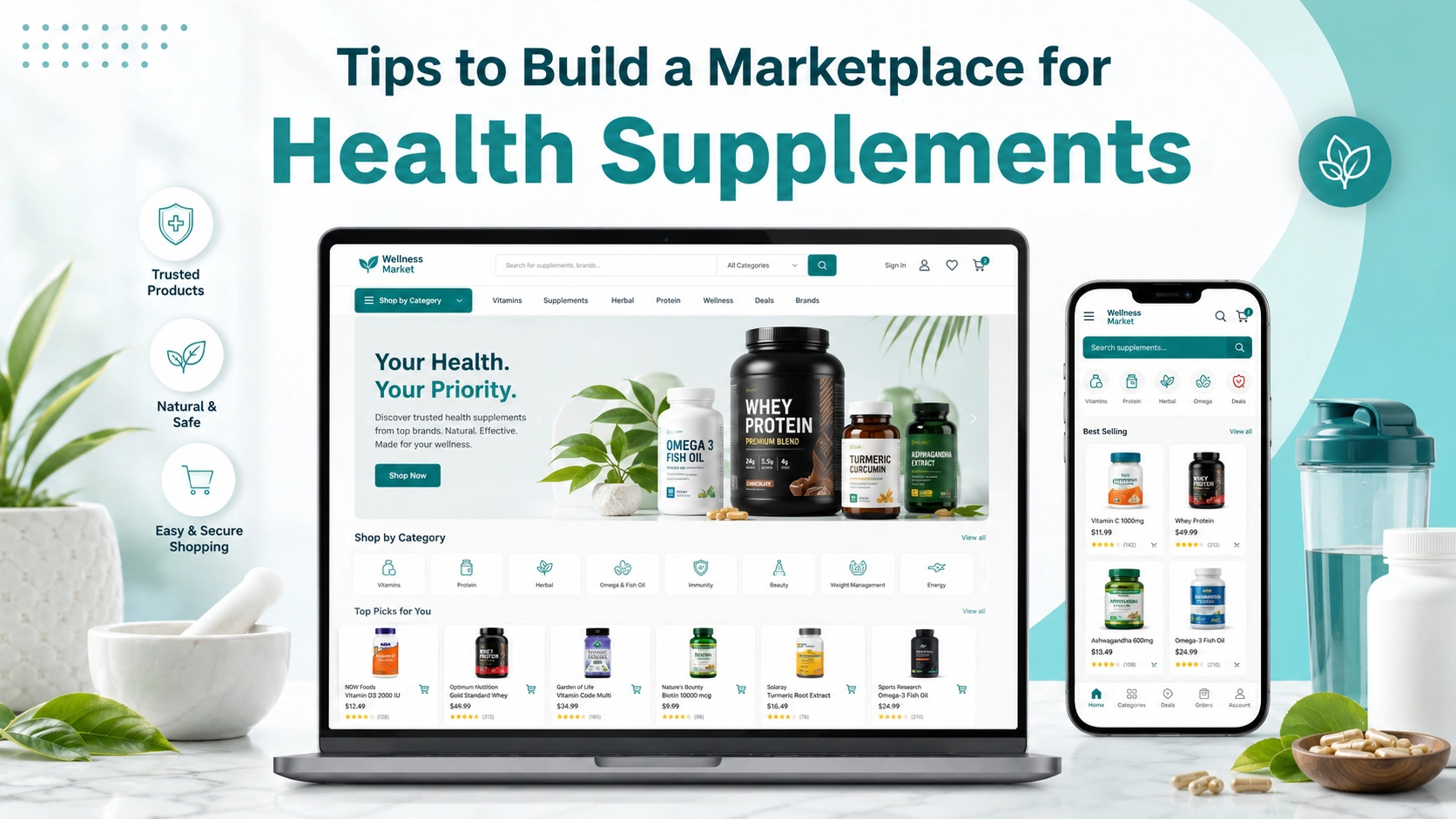
Due to rising health consciousness and a growing inclination for online purchasing, the demand for health supplements...
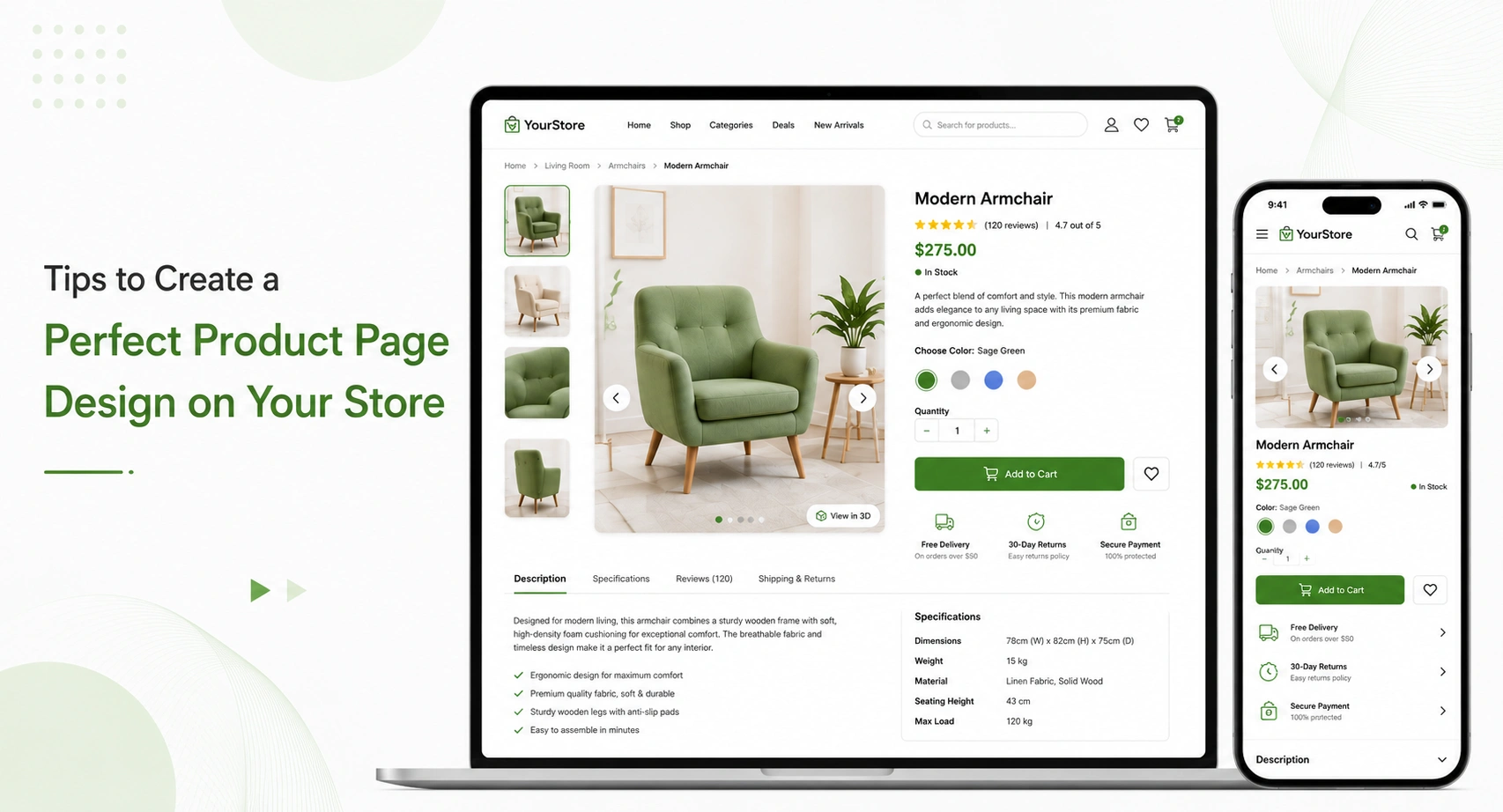
In 2025, Your product page is the most important component of your online store in the rapidly expanding field of eCo...
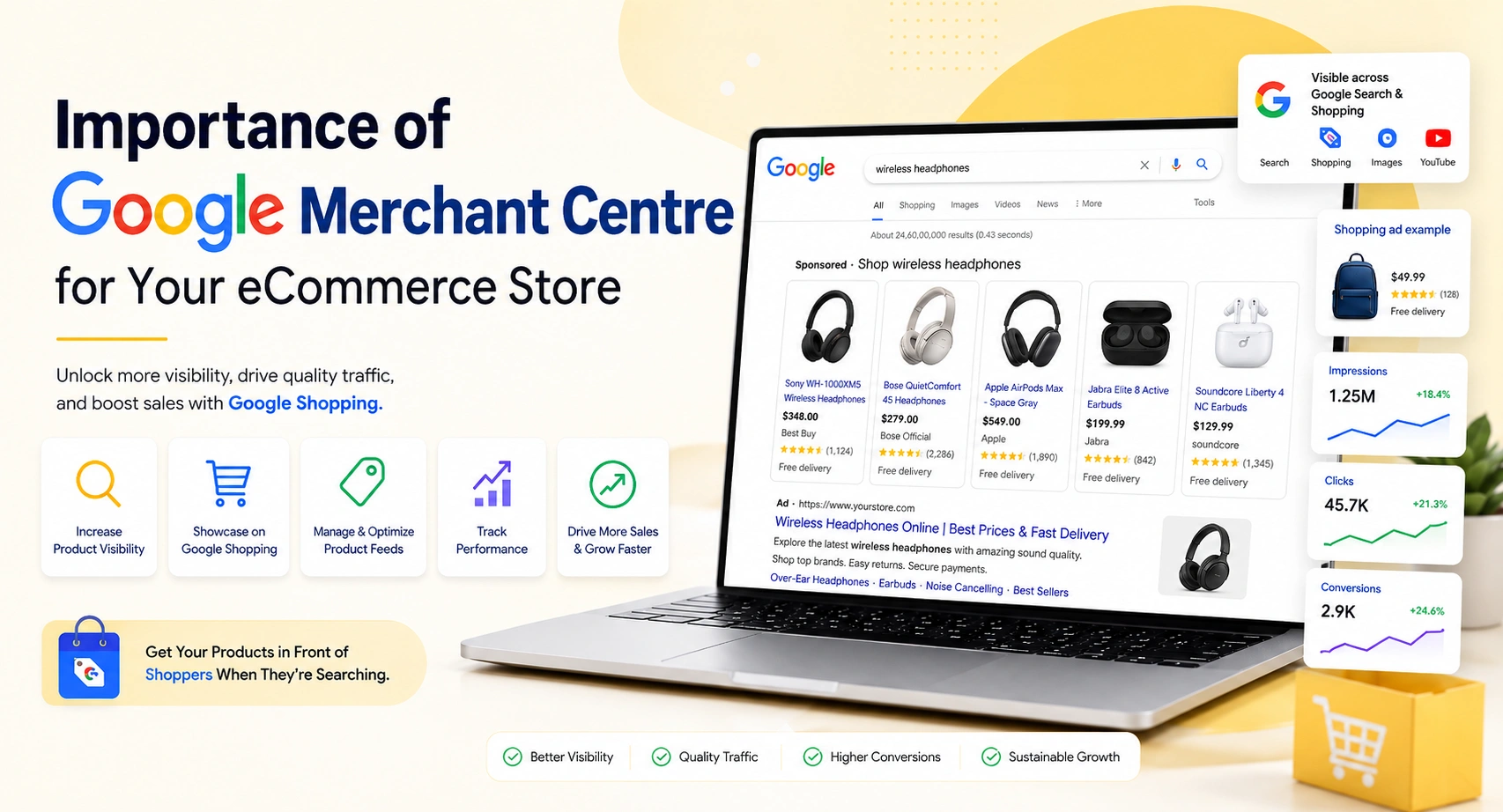
Having an online eCommerce website is crucial for business expansion in today’s digital environment. As more pe...