AI in Ecommerce: 10 Ways to Save Time and Boost Efficiency
October 7, 2026
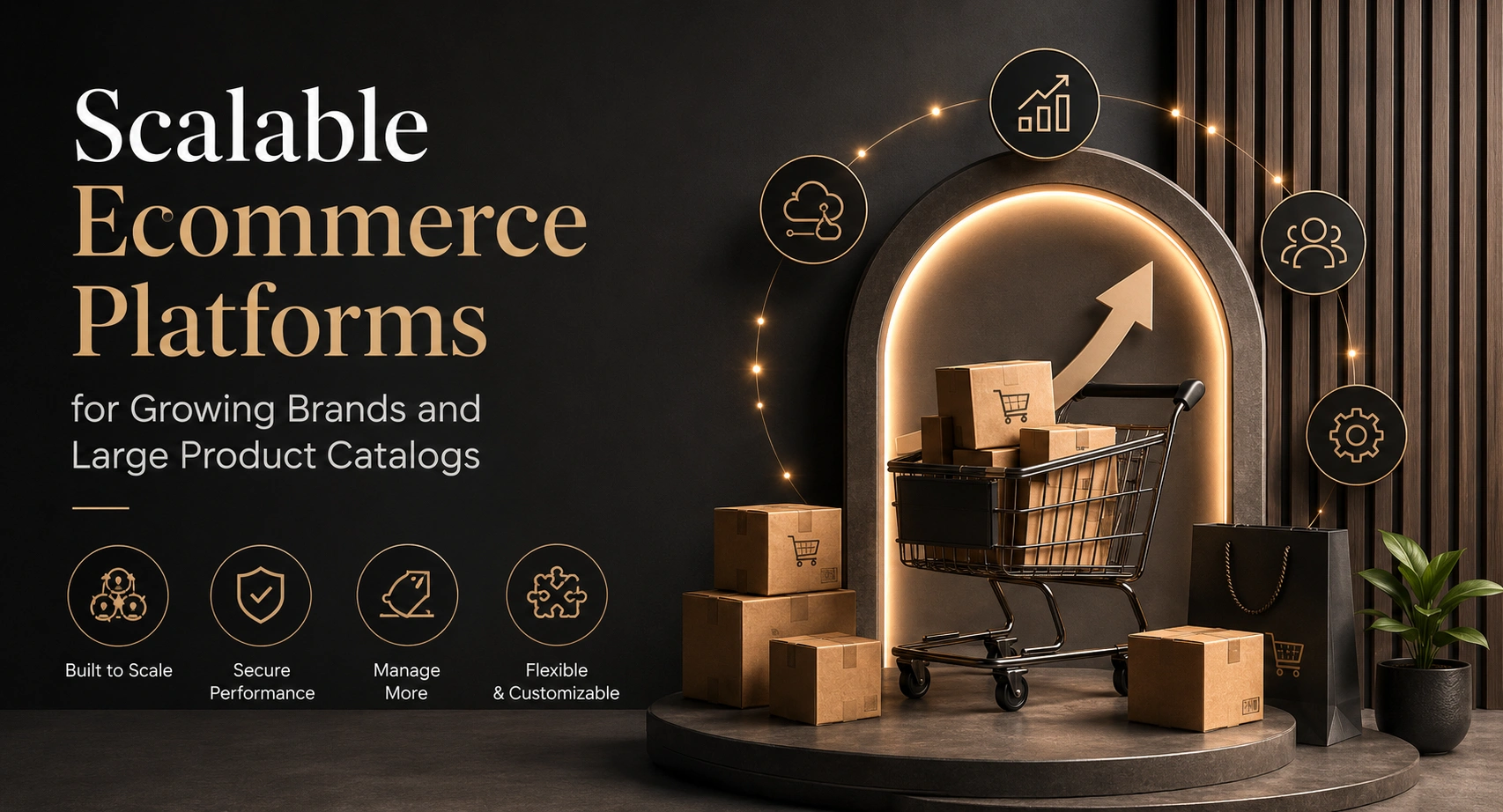
The growth of an e-commerce brand is fun but also brings its challenges along. A shop that starts with a small number of items can one day end up with hundreds or even thousands of SKUs, product variations, increased order numbers, and people who browse from a variety of devices and on different channels.
A website at this stage of development should be much more than a simple product showcase. Companies need to invest in technology that will allow them to manage their catalog, inventory, orders, marketing, analytics, and customer experience without complicating operations.
This is where scalable ecommerce platforms come into play. Rather than using technology to solve current challenges, a company that grows needs a solution for its future business development.
Scalability isn’t all about accommodating more site traffic.When we talk about scalability for an ecommerce company, we are talking about the ability to scale along several dimensions simultaneously – the ability to grow and add more products, create additional categories, have more SKUs, place more orders, conduct marketing campaigns and cater to a wider audience.
This kind of platform should facilitate this process instead of making teams constantly rewrite and replace their tools.The correct solution will take care of both front-end and back-end operations.
With an increasing number of products, catalog organization is among the biggest ecommerce hurdles.A large catalog can have:
Many products and SKUs
Size, color, or other variations of the same product
Various categories and collections
Changing price
Images and descriptions of the products
Various quantities
Seasonal products
Manual management of this data through various disconnected systems is time-consuming and prone to mistakes. An advanced ecommerce solution built with an AI ecommerce website builder should include organized product management allowing for organizing products, categories, collections, variants, prices, and inventory within a single interconnected system.
While the company believes it is selling only 500 products, they may have thousands of variations.
For instance, if a clothing company offers 500 styles in five sizes and four colors, there could be thousands of different types of products in its collection. The variations influence factors such as inventory, product information, pricing, and choices of customers.
In order for an ecommerce platform to function effectively, SKU management as well as customer understanding of the available choices must be possible.This helps the business as well as the customer.
Inventory Must Grow Along With the Catalog
As the number of items in the catalog increases, the need for visibility of inventory increases as well. The lack of linkage between inventory data and an ecommerce store can lead to issues like inaccurate inventory status, selling of unavailable items, manual check-ups of inventory, or inability to identify products that should be replenished.
Linking product management with inventory and orders can help businesses obtain better understanding of what items are available and what has already been sold.This becomes particularly relevant for businesses that have a big catalog.
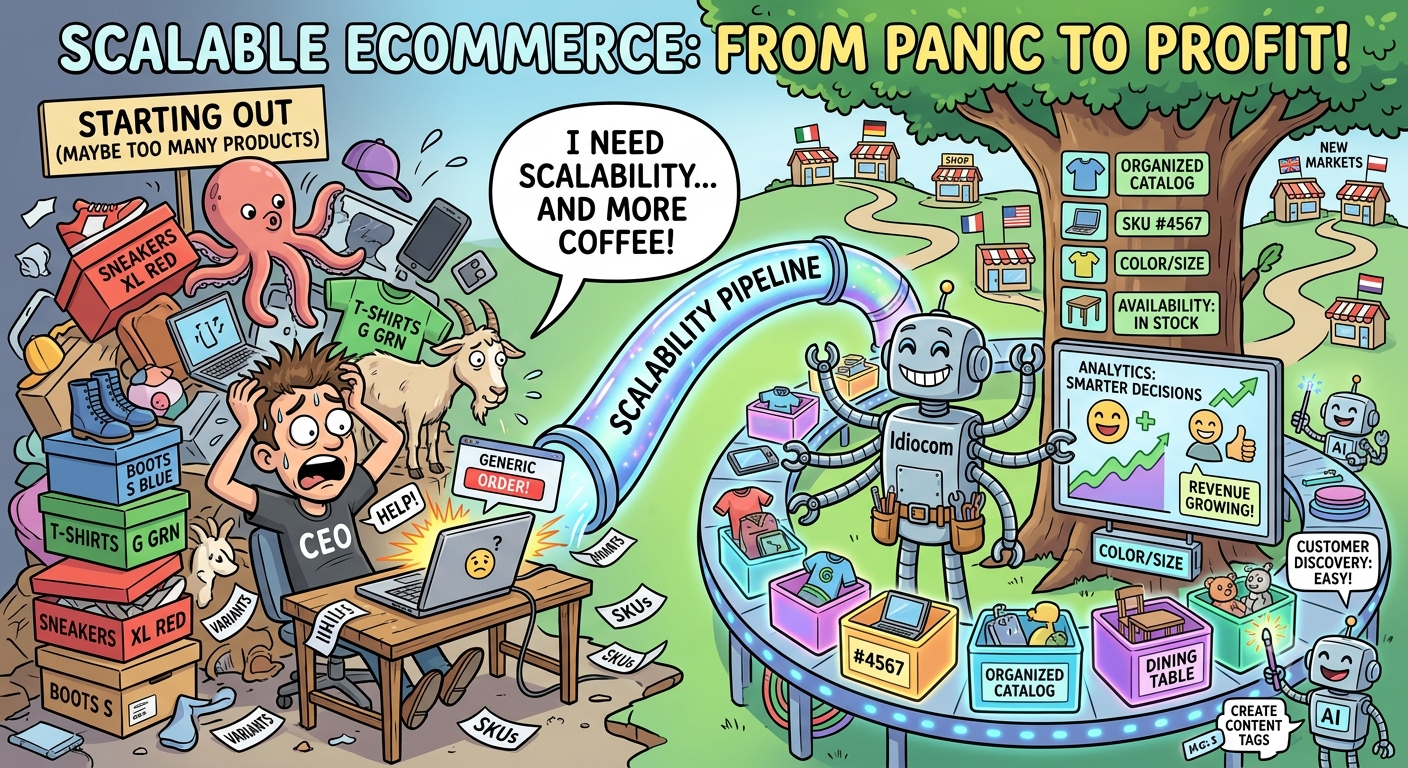
The addition of more products does not necessarily mean the introduction of complexity but choice.For large scale ecommerce shops, having navigation, categorization, filtering, collections, search and product recommendation features becomes necessary in order for the customer to get what he/she is after.
Imagine a home & lifestyle store that sells thousands of different products. The customer searching for a dining table must not be forced to search through other furniture items as well.
The principle of scaling up does not only refer to handling larger number of products on the backend. It also refers to simplicity of customer experience on the frontend.
Expanding brands can’t afford to ignore mobile commerce.People will search for products, compare their options, and make their purchases via smartphones. The bigger the product catalogs get, the more important mobile navigation becomes.
An efficient online store needs to stay responsive on mobiles, tablets, and PCs. Product images, navigation, filters, buttons, descriptions, and checkouts all need to be easy to use on any device.Increased numbers in the catalog shouldn’t lead to a messy mobile shopping experience.
Growth normally translates to increased marketing efforts.The business may be carrying out promotions, email marketing, paid ads, seasonal offers, product releases, and other marketing initiatives all at once.
The disconnect between the marketing system and the ecommerce system causes the teams to spend more time in coordinating details about products, promotion, and performance metrics.
An ecommerce solution helps to integrate the shopfront, products, marketing, and analytics.It builds a good base from which campaigns can be launched and their success tracked.
An extensive catalog equates to lots of business data.Rather than focusing only on revenue, growth brands may analyze specific products, categories, marketing campaigns, and consumer behavior.
Some key questions to ask are:
Analyzing data can show businesses how they should be improving their merchandising, marketing, product offerings, and consumer experience.For a growth brand, the more products and consumers there are, the more valuable data becomes.
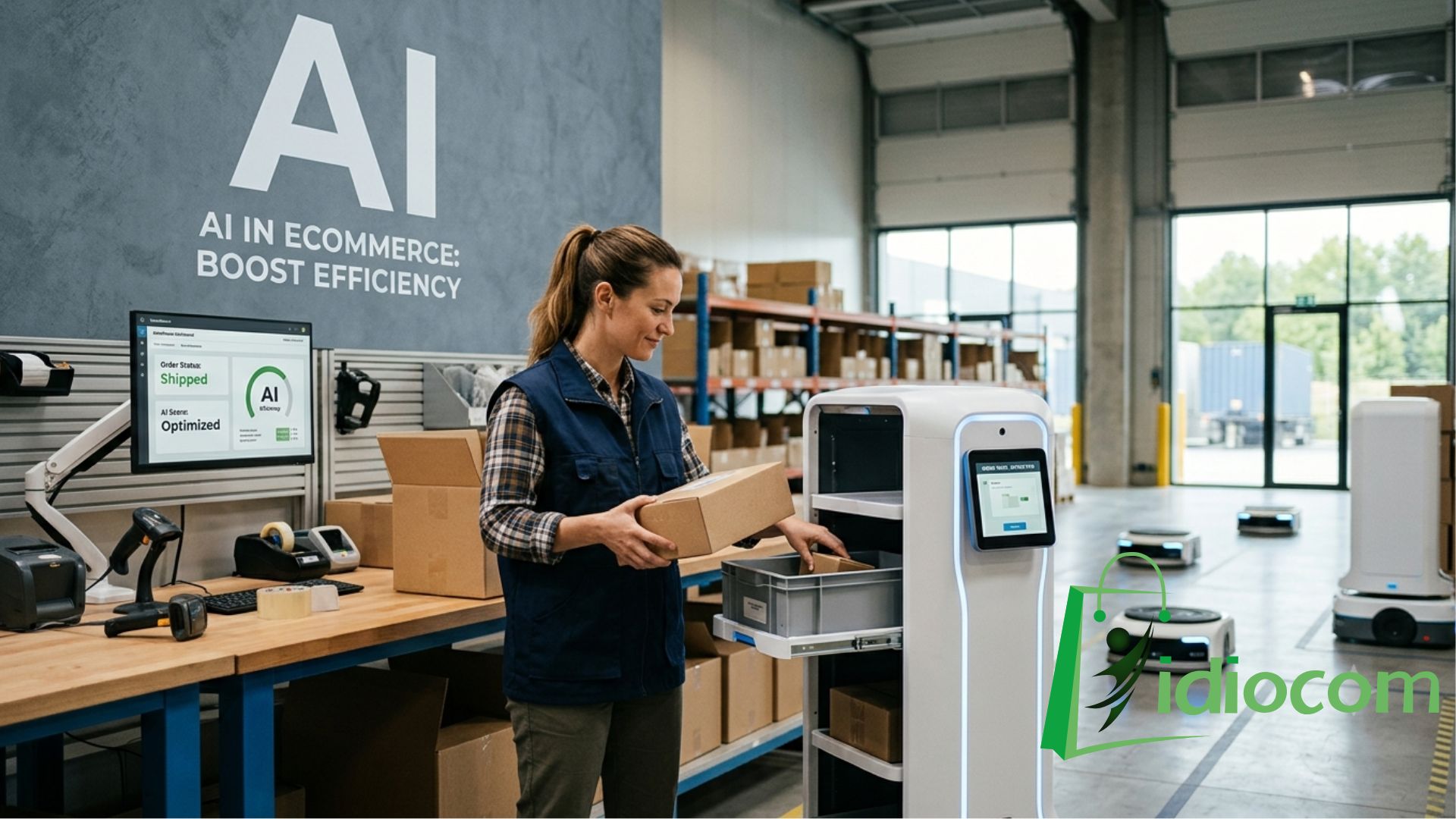
Big catalogs of products lead to many repetitive tasks, especially when it comes to creating product catalogs and managing content. AI-based solutions for ecommerce can be used to help the companies with some processes, such as creating product catalogs and generating content. Thus, the teams can manage a large amount of data better.
But, of course, automation must not replace human expertise because many decisions concerning product positioning, brand voice, merchandising, and strategy towards customers need a human factor.The most reasonable option would be combining AI and human expertise in this case.
The other major mistake that growing businesses make is selecting technology solely based on the current needs of the business.The solution may serve a company fine with 50 SKUs but may prove complicated when the number of products goes up to 1,000 SKUs.
When you start thinking about which ecommerce technology to pick up, try to project how your business will grow in the next few years.
Here are the questions you should ask yourself:
Idiocom brands itself as an ecommerce growth platform and not just a site builder. The platform brings together storefront creation, product management, inventory management, order management, marketing, analytics, and AI-powered catalogs into one system.
For those dealing with growing product catalogs, this kind of holistic approach could prove useful in connecting the consumer-facing end of things with the backend systems necessary for growing.
It doesn’t matter whether the company is setting up their first catalog or developing their ecommerce business, they need to lay the foundation for future growth.
The growth of your business shouldn’t make it any harder to be efficient. With bigger catalogs comes the need for technology that will allow you to manage products, variants, inventory, orders, marketing, data, and the customer experience, all from a common platform. A scalable ecommerce platform could provide you with a way to manage all of these needs and prepare for future expansion.
In other words, your ideal platform is not just one that launches your business now but also one that will keep up with you as your business grows.
What is a scalable ecommerce platform?
A scalable ecommerce platform is a type of solution that allows the business to grow its activities in terms of products, customers, orders, inventory, marketing and other ecommerce operations without having to change the technology completely.
Why is scalable ecommerce technology needed for large catalogs?
Large catalogs imply more products, SKUs, variants, inventory details, categories and options for consumers. Scalable solutions can help to organize all that without sacrificing usability for your consumers.
How can the ecommerce platform handle thousands of products?
There are several capabilities like catalog management, product variants, SKUs, inventory management, categories, collections, search and analytics that can help you manage large catalogs.
Is AI helpful for large ecommerce catalogs?
The use of AI will help to automate routine work with catalogs and content, allowing businesses to better manage the large amount of product details. However, human intervention is still critical here.
When should the company think about scalable ecommerce technology?
It is time to consider scalability of your ecommerce platform when the growth of catalog, orders, customers or other business operations makes your technology hard to manage.