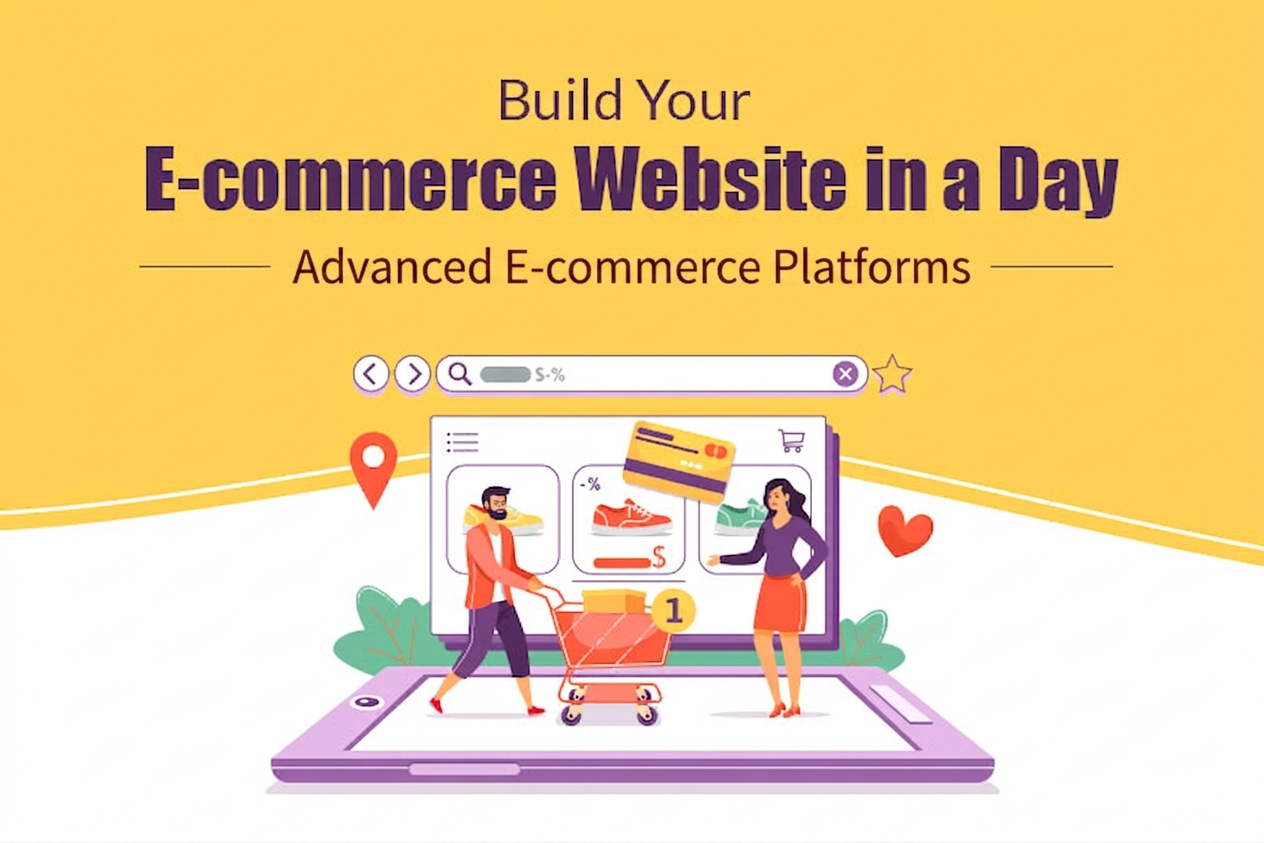
Build Your E-commerce Website in a Day: Advanced E-commerce Platforms

Build Your E-commerce Website in a Day: Advanced E-commerce Platforms

  • July 21, 2026
Uild Your E-commerce Website In A Day: Advanced E-commerce Platforms

If you are an e-commerce entrepreneur or small business owner, launching your online store quickly can give you an important competitive advantage. Fortunately, building a professional e-commerce website no longer requires months of development, a large technical team, or an excessive upfront investment.

With a modern premium e-commerce platform, you can create, configure, and launch a fully functional online store within a day. These platforms provide professionally developed storefront systems, flexible design options, secure payment integrations, product-management tools, marketing features, and customer-management capabilities in one connected environment.

Unlike basic website-building tools, premium platforms are designed to deliver a stronger brand experience, dependable performance, scalable infrastructure, and smoother day-to-day store management. You can focus on your products, customers, and business growth while the platform supports the technical foundation of your online store.

This step-by-step guide explains how to build an e-commerce website in one day using a premium platform. Whether you are launching a new product range, starting an online business, or taking an existing retail brand online, this guide will help you move from idea to launch quickly and professionally.

Let’s explore how you can turn your business concept into a live, customer-ready e-commerce website.

Step 1: Define Your Business Model and Product Line

Before building your e-commerce website, clearly define what you plan to sell and how your business will operate.

Start by answering a few important questions:

  • Are you selling physical products, digital products, or services?
  • Are you creating a single-brand store or a multi-vendor marketplace?
  • Will you manage inventory yourself or work with suppliers?
  • Are you selling locally, nationally, or internationally?
  • Who is your target customer?

For a faster launch, begin with a focused product collection. Selecting approximately five to ten products allows you to prepare your store efficiently without overwhelming customers or delaying the launch.

For each product, collect the following information:

  • Product name
  • Price
  • Product images
  • Short and long descriptions
  • Available sizes or variations
  • Stock quantity
  • Shipping details
  • Return conditions

A clear product and business plan will make every following step faster and more organized.

Step 2: Choose a Premium E-commerce Platform

The platform you choose will determine how easily you can build, manage, and scale your online store.

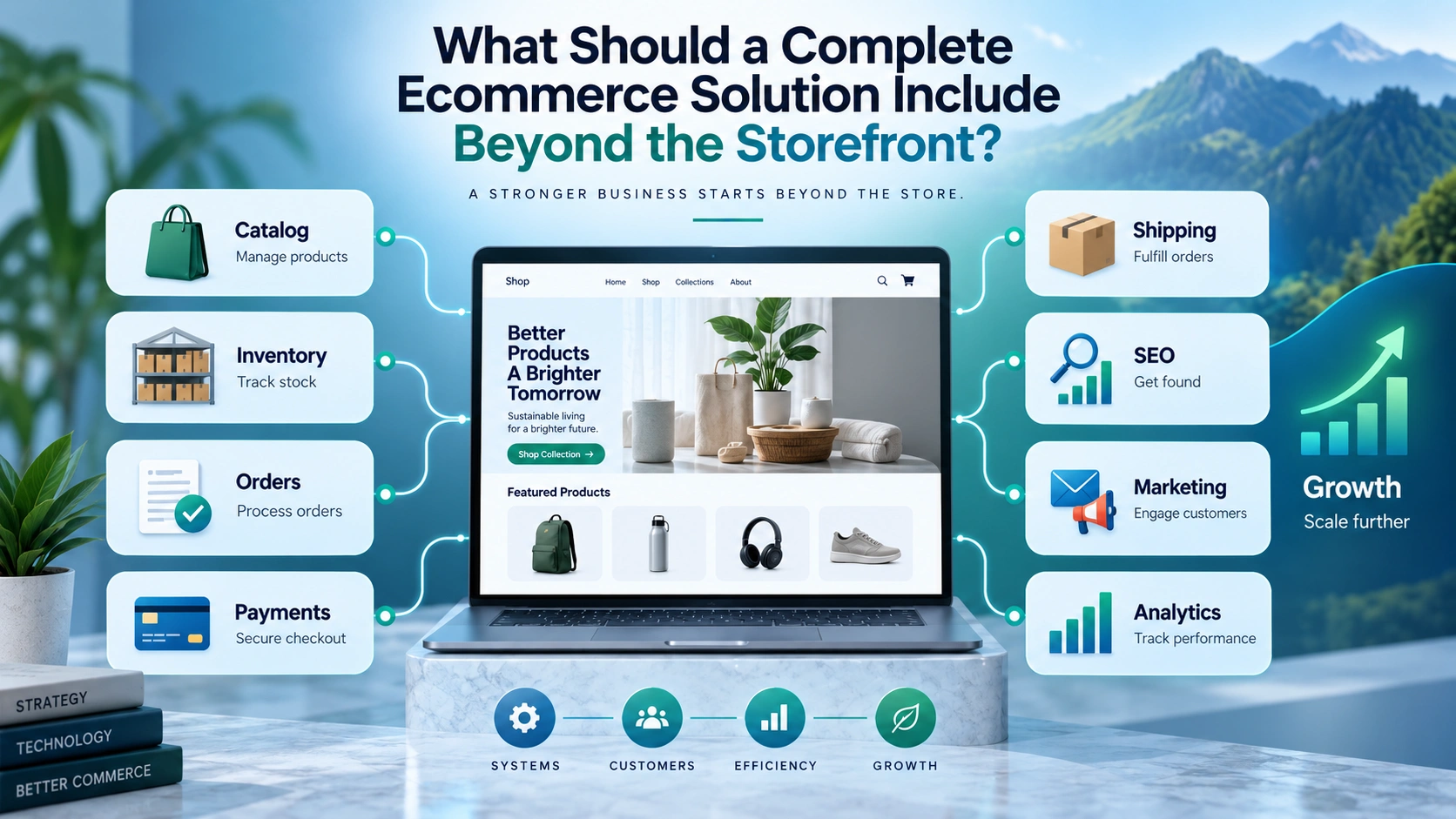
A premium e-commerce platform should offer more than an attractive storefront. It should provide a complete operational foundation for managing products, orders, customers, payments, marketing, and business growth.

Important features to look for

  • Professionally designed and mobile-responsive storefronts
  • Flexible branding and design customization
  • Secure payment gateway integrations
  • Product and inventory management
  • Shipping and tax configuration
  • Customer account management
  • Order-processing tools
  • SEO-friendly website structure
  • Marketing and analytics integrations
  • Business automation capabilities
  • Reliable support and scalable infrastructure

Platform options to consider

Idiocom – Suitable for businesses that want a professionally built e-commerce store along with support for store setup, product listing, branding, SEO, marketing, and long-term growth.

Shopify – A widely used platform for businesses seeking a structured store-management system and global selling capabilities.

Wix eCommerce – Useful for businesses that prioritize visual flexibility and straightforward website customization.

WooCommerce – Suitable for businesses already using WordPress and looking for greater control over store configuration.

The right platform should not only help you launch quickly. It should also support your business as your product catalogue, customer base, and order volume increase.

Step 3: Choose a Professional Domain Name

Your domain name is an important part of your brand identity. It appears in advertisements, search results, emails, packaging, and customer communications.

Choose a domain that is:

  • Short and easy to remember
  • Simple to spell
  • Relevant to your brand
  • Suitable for long-term growth
  • Free from unnecessary numbers or symbols

A .com domain is often preferred for international businesses, while extensions such as .in, .co.uk, or .ae may be useful when targeting a specific country.

For example, a skincare brand could choose a name such as:

OrganicGlowSkincare.com

Most premium e-commerce platforms allow you to connect an existing domain or purchase a new one during the store setup process.

Step 4: Select and Customize Your Store Design

Your store design should reflect the quality, personality, and positioning of your brand.

Choose a professionally structured design that complements your product category. A fashion store, furniture brand, beauty business, electronics retailer, and B2B supplier will each require a different visual approach.

Customize the design with:

  • Your logo
  • Brand colors
  • Typography
  • Homepage banners
  • Product-category images
  • Promotional sections
  • Brand messaging
  • Calls to action

Your homepage should immediately communicate:

  • What your brand sells
  • Who the products are for
  • Why customers should choose you
  • What action visitors should take next

Use clear calls to action such as:

  • Shop Now
  • Explore the Collection
  • View Products
  • Discover More
  • Add to Cart

Keep the navigation simple and make sure customers can reach important product categories within one or two clicks.

Step 5: Add Products and Create Optimized Listings

Your product pages play a major role in converting visitors into customers. Every listing should provide enough information to help customers understand the product and make a confident purchasing decision.

Product listing checklist

  • Clear product title
  • High-quality product images
  • Images from multiple angles
  • Benefit-focused description
  • Product specifications
  • Price and stock availability
  • Size or colour options
  • Delivery information
  • Return policy
  • Relevant SEO keywords

Avoid copying basic supplier descriptions. Write original content that explains the product’s benefits, materials, features, quality, usage, and value.

A strong product description should answer questions such as:

  • What is the product?
  • Who is it suitable for?
  • What makes it different?
  • How will it benefit the customer?
  • What materials or features does it include?
  • How should it be used or maintained?

For the initial launch, focus on quality rather than uploading hundreds of incomplete listings.

Step 6: Configure Payments, Shipping, and Taxes

Your checkout process should be secure, simple, and convenient.

Payment setup

Depending on your target market, you can connect payment options such as:

  • Stripe
  • PayPal
  • Razorpay
  • Credit and debit cards
  • Bank transfer
  • Digital wallets
  • Cash on Delivery

Only display payment methods that your business can manage reliably.

Shipping setup

Configure:

  • Shipping zones
  • Delivery charges
  • Estimated delivery times
  • Free-shipping conditions
  • Local delivery options
  • International shipping rules
  • Logistics integrations

For Indian businesses, logistics providers such as Shiprocket or Delhivery may be considered. Businesses targeting other markets should choose shipping partners based on location, order volume, delivery speed, and service quality.

Tax setup

Set tax rules according to your business location and target market. This may include GST, VAT, sales tax, or other regional requirements.

Before launching, complete a test transaction to confirm that payment confirmation, tax calculation, shipping charges, and order notifications are working properly.

Step 7: Create the Essential Website Pages

A professional e-commerce website requires more than product pages.

Create the following pages before launch:

Homepage

Present your brand, primary product categories, featured products, customer benefits, and key offers.

About Us

Explain your brand story, purpose, values, expertise, and what makes your business different.

Contact Page

Include your email address, telephone number, contact form, business hours, and physical location when applicable.

Frequently Asked Questions

Answer common questions related to payments, orders, delivery, returns, product usage, and customer support.

Privacy Policy

Explain how customer information is collected, stored, and used.

Terms and Conditions

Clearly present the rules and conditions that apply when customers use your website or purchase from your store.

Shipping and Returns Policy

Provide information about delivery timelines, shipping charges, cancellations, exchanges, refunds, and return eligibility.

These pages improve customer trust while supporting legal transparency and search-engine visibility.

Step 8: Test Your Store Before Launch

Never launch an e-commerce website without testing the complete customer journey.

Check the website on both desktop and mobile devices.

Test the following:

  • Homepage navigation
  • Product-category pages
  • Product filters
  • Search functionality
  • Product variations
  • Add-to-cart process
  • Coupon codes
  • Checkout process
  • Payment gateways
  • Shipping charges
  • Contact forms
  • Order-confirmation emails
  • Customer account registration
  • Website loading speed
  • Security settings

Place at least one test order and confirm that the order appears correctly in the administration area.

Also review the website for spelling mistakes, broken links, missing images, incorrect prices, and incomplete policy information.

Once every important function has been tested, your e-commerce website is ready to go live.

Step 9: Promote Your Store and Attract Initial Customers

Launching the store is only the first stage. Your next priority is bringing relevant visitors to the website.

Quick launch activities

  • Announce the launch on social media
  • Send an email to existing contacts
  • Introduce a limited-time launch offer
  • Promote selected products through paid advertisements
  • Share the store in relevant business communities
  • Publish product-focused blog content
  • Create short product videos
  • Set up Google Analytics and Search Console
  • Collect customer reviews
  • Retarget visitors who do not complete a purchase

Your promotional message should clearly explain what you sell, who the products are designed for, and why customers should visit your store.

Avoid relying only on discounts. Premium brands should also communicate quality, experience, service, design, convenience, and long-term value.

Can You Really Build an E-commerce Website in One Day?

Building and launching an e-commerce website in one day is achievable when your business information, product content, images, pricing, and branding materials are prepared in advance.

A premium e-commerce platform reduces the need to build every technical component separately. Essential capabilities such as storefront management, product listings, payment processing, order handling, customer accounts, and marketing integrations are available within one connected system.

However, launching in one day does not mean the website should remain unchanged after launch. Successful e-commerce businesses continue improving their product pages, customer experience, SEO, marketing campaigns, automation, and conversion strategy over time.

The goal of the first day is to create a strong, professional foundation that allows you to start selling and gathering real customer data.

Final Thoughts

In today’s competitive digital market, speed and quality are equally important. Small businesses and growing brands should not have to choose between launching quickly and creating a professional customer experience.

By selecting the right premium e-commerce platform and following a structured launch process, you can build an e-commerce website that is visually refined, operationally reliable, mobile-friendly, and prepared for future growth.

You do not need to spend months coordinating separate designers, developers, payment providers, and operational tools. A premium platform can bring these essential capabilities together and help you move from planning to selling much faster.

Whether you are launching a new brand, introducing a product line, or expanding an existing retail business online, now is the right time to establish your digital presence.

Build your e-commerce website today with a premium platform—and start growing your online business from day one.

You May Also Read

Build Your E-commerce Website in a Day: Advanced E-commerce Platforms