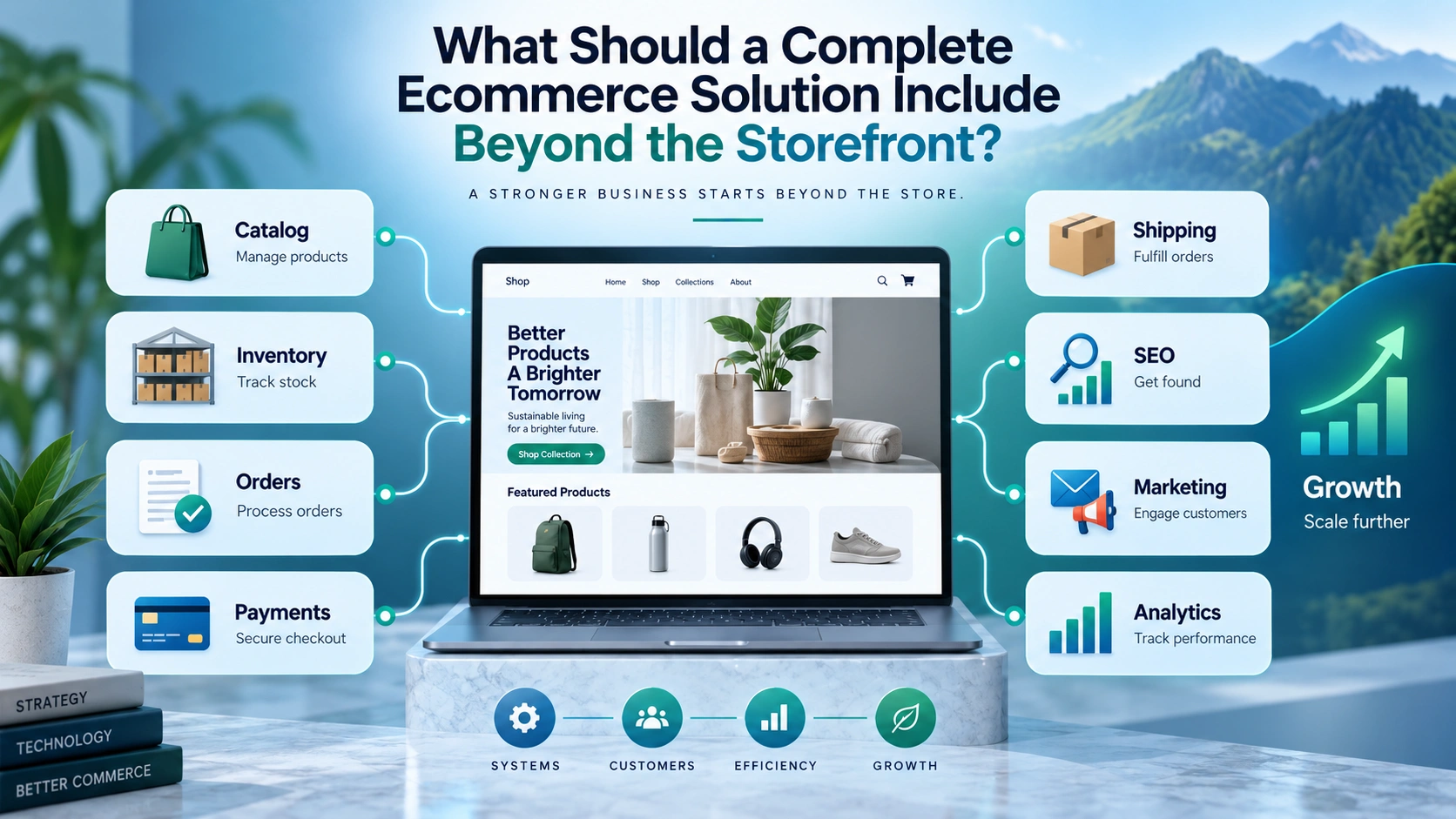
What Should a Complete Ecommerce Solution Include Beyond the Storefront?
September 14, 2026
The online shopping landscape is evolving — and one of the biggest game-changers in recent years has been the digital marketplace model. Whether you’re a digital product seller, a small e-commerce entrepreneur, or an individual with a scalable business idea, launching a digital marketplace in 2026 could be your most profitable move yet.
A digital marketplace is an e-commerce platform where multiple vendors can list and sell their products or services to customers. Think of it as a digital shopping mall. Instead of offering only your own items, you invite other sellers to showcase theirs — while you manage the platform, user experience, and revenue strategy.
In 2026, digital transformation, increased demand for online shopping, and the growing creator economy are making digital marketplaces more relevant than ever. With the right strategy, you can build a powerful, scalable business — without needing to manage inventory, manufacture products, or even handle logistics.
Let’s dive deeper into what makes a digital marketplace so powerful, and why now is the best time to build one.
A digital marketplace is an online platform that connects multiple sellers with buyers in one centralized location. It enables users to browse, compare, and purchase products or services from different vendors — all under one digital roof.
Unlike traditional e-commerce websites that sell products from a single brand or owner, a digital marketplace platform hosts numerous sellers offering a diverse range of items. These sellers manage their own product listings, pricing, and fulfilment, while the platform owner oversees the backend infrastructure, policies, and monetization.
• Amazon – Physical goods from thousands of third-party vendors
• Etsy – Handmade, vintage, and digital items from creative sellers
• Fiverr/Upwork – Freelance services from professionals
• Udemy/Skillshare – Digital courses from instructors worldwide
Launching your own digital marketplace brings massive potential. Here’s why it’s a smart business model, especially in today’s digital-first world:
As the platform owner, you don’t need to produce goods or handle inventory. Vendors manage their own stock. This significantly reduces upfront capital and operational complexity.
The more vendors you onboard, the more products you offer. Unlike traditional e-commerce models, your growth isn’t limited by what you can supply.
Digital marketplaces can monetize through:
• Seller commissions (per sale)
• Subscription plans for premium sellers
• Featured listings and advertisements
• Transaction fees
This creates multiple, predictable revenue channels.
Every new product listing, review, and vendor page adds SEO-rich content to your platform. This naturally improves your website’s visibility in search engine results for long-tail keywords.
Buyers enjoy variety, competitive pricing, and the ability to compare multiple vendors. This builds user trust, encourages repeat visits, and boosts conversion rates.
Not all digital marketplaces are created equal. Choosing the right marketplace model based on your target niche can make or break your success.
These platforms connect customers with physical goods. Perfect for:
• Niche fashion brands
• Organic or eco-friendly products
• Handcrafted or artisan goods
• Electronics or gadgets
Example: A marketplace for sustainable fashion from small Indian designers.
These connect users with professionals or freelancers offering services like:
• Graphic design
• Tutoring
• Home repairs
• Virtual assistance
Example: A regional marketplace for verified local service providers.
If you’re targeting creators, businesses, or educators, this is a goldmine. Sell:
• E-books
• Online courses
• Design templates
• Software or plug-ins
Example: A marketplace for wedding planners to purchase Canva templates, contracts, and guides.
These platforms enable businesses to buy from other businesses. Useful for bulk purchasing or industry-specific tools.
Example: A marketplace connecting small retailers with Indian textile manufacturers.
Online transactions in India and globally are at an all-time high. Customers now prefer shopping on platforms offering multiple options, faster service, and mobile-friendly experiences.
With more people working remotely and starting side hustles, the demand for digital products, coaching, virtual tools, and services is growing. A marketplace is a perfect way to meet this demand.
You don’t need a custom build from scratch. Platforms like Sharetribe, CS-Cart, Arcadier, or Idiocom allow you to launch faster and at lower costs.
Thousands of creators are looking for platforms to sell their products. A digital marketplace helps them monetize their skills — and helps you grow your platform with their audience.
Investors love scalable platforms with recurring revenue. If you plan to seek funding in the future, launching a digital marketplace makes your business model far more attractive.
If you’re ready to start your journey in 2026, follow these steps:
Focus on a gap in the market. Look for underserved communities or high-demand niches with limited competition.
Use no-code or low-code platforms, or partner with a development agency. Your tech should support:
• Seller dashboards
• Secure payments
• Product listings
• Reviews and ratings
• Admin controls
Build seller trust by offering easy onboarding, transparent policies, and strong customer support.
Decide whether you’ll charge:
• A per-sale commission
• A monthly seller fee
• Featured promotion packages
• All the above
Target long-tail keywords, vendor guides, and how-to blogs that drive organic traffic. Use the digital marketplace keyword in product descriptions, blogs, and landing pages.
Having refund policies, dispute resolution, and verified reviews helps build buyer trust — especially important for newer marketplaces.
The digital marketplace model is more than a trend — it’s the future of online business. As we move into 2026, buyers want variety, convenience, and trust. Sellers want visibility without spending thousands on their own stores. You, as the marketplace owner, can offer both — and profit from it.
With the right tools, a clear niche, and a focused growth strategy, you can build a powerful platform that connects communities, supports small businesses, and generates recurring revenue. Whether you’re offering digital products, physical goods, or professional services, a well-built digital marketplace opens a world of opportunities.
So, why wait? The market is growing, the tools are ready, and your audience is searching. Launch your digital marketplace in 2026 — and turn your entrepreneurial vision into a thriving online business.

Hello, e-commerce entrepreneurs! You’ve invested time and passion into perfecting your product. It’s read...
Shipping: the unsung hero of the e-commerce world. It’s the magic that transforms a click into a delightful del...

Ever notice how the grocery store strategically places chips and salsa right next to the dip? That’s not a coin...