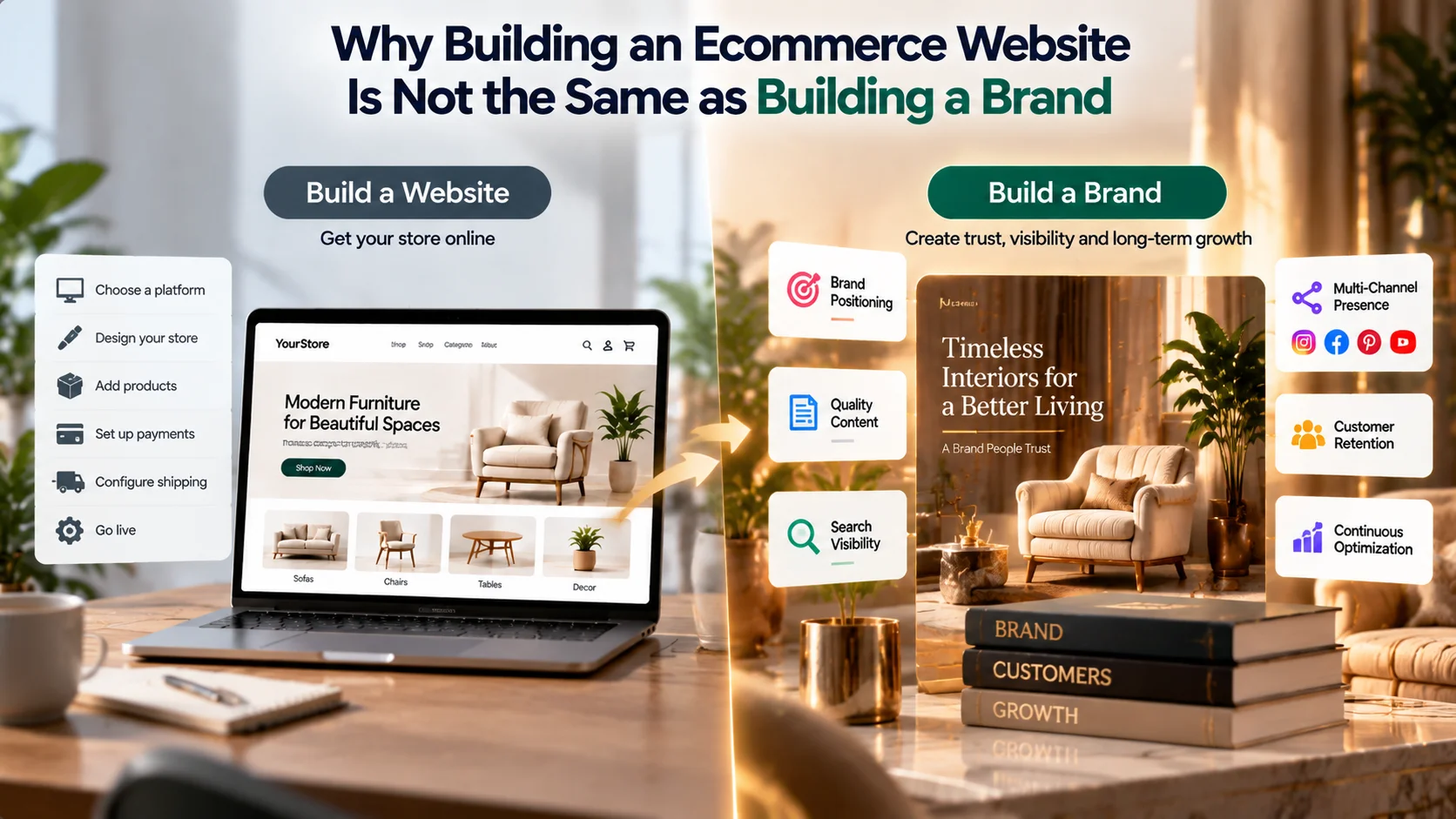
Why Building an Ecommerce Website Is Not the Same as Building a Brand
September 27, 2026
Launching an ecommerce store has become easier than ever. With a modern ecommerce website builder, businesses can create product pages, connect payments, manage inventory and start selling online without complex technical development. However, launching a website is only the beginning of building a successful ecommerce business.
A website provides the foundation for selling products, but a brand creates recognition, trust and long-term customer relationships. Many businesses focus heavily on the technical side of launching an online store while overlooking the strategic work required to become memorable in a competitive market.
A successful ecommerce brand requires more than a functional website. It needs clear positioning, consistent communication, strong customer experiences, discoverability across channels and continuous improvement based on customer behavior. The difference between a store that simply exists online and a brand that grows is the ability to create value beyond the transaction.
An online store builder can help businesses launch faster, but building a brand requires strategy, execution and ongoing optimization.
A Website Is a Storefront. A Brand Is the Reason Customers Return.
A physical store and a brand are not the same thing.
A shop can have products, shelves and a checkout counter, but customers remember brands because of how they make them feel, what they represent and the experience they provide.
The same principle applies online.
An ecommerce website is the digital storefront where customers:
A brand influences:
For example, two businesses can sell similar products.
Business A focuses only on:
Business B focuses on:
Both may have functional websites, but their long-term growth potential can be very different.
The website enables the purchase.
The brand creates the relationship.
The Technical Launch Is Only the First Layer
An ecommerce launch usually involves several technical activities:
These steps are necessary.
However, they answer only one question:
“Can customers buy from us?”
Building a brand requires answering deeper questions:
This is where many businesses struggle.
They successfully create an ecommerce website but do not create a clear identity around it.
A website without a brand strategy often becomes a product catalog.
A website supported by brand strategy becomes a growth channel.
A strong ecommerce brand starts with positioning.
Positioning defines how customers understand a business compared with alternatives.
It includes:
For example, a furniture business could position itself as:
The products may overlap, but the positioning changes how customers perceive value.
Without clear positioning, businesses often compete mainly on:
This makes long-term differentiation difficult.
A strong brand gives customers a reason to choose beyond price.
Many ecommerce websites treat product pages as simple information pages.
They include:
These elements are important, but a strong product page also communicates value.
Customers want to understand:
For example:
A basic description:
“Premium leather office chair.”
A brand-focused description:
“Designed for professionals who value comfort and refined workspace aesthetics, this premium leather office chair combines ergonomic support with timeless executive design.”
The second approach connects the product with a customer identity.
A successful ecommerce website builder should make it easy to create flexible product experiences, not just product listings.
Brands are built through repeated experiences.
Every interaction contributes to customer perception:
If every channel communicates differently, customers receive a fragmented experience.
For example:
Website tone:
“Premium handcrafted luxury products”
Social media tone:
“Big discounts! Buy now!”
The customer receives conflicting signals.
Consistency creates familiarity.
Strong brands maintain consistency across:
This does not mean every message must be identical.
It means every message should support the same brand direction.
A common misconception is:
“If we build a website, customers will find us.”
In reality, online visibility requires continuous work.
Customers discover brands through multiple channels:
A strong ecommerce strategy connects these channels.
For example:
A customer may discover a product through Google search.
Then:
The first interaction may not create a sale.
But it creates brand awareness.
This is why ecommerce solutions should support not only transactions but also discovery and customer engagement.
Trust is one of the biggest differences between a simple store and a strong brand.
Online customers cannot physically inspect products before purchasing.
They depend on signals such as:
A trustworthy ecommerce experience includes:
Customers should understand what they are buying.
Shipping, returns and payment information should be easy to find.
Quality visuals and consistent branding influence perception.
Customers should receive clear updates throughout their journey.
Trust is not created by one element.
It is created through many small positive experiences.
Many businesses focus heavily on acquiring new customers.
However, sustainable ecommerce growth also depends on retention.
A first purchase creates an opportunity.
A returning customer creates long-term value.
Customer retention strategies can include:
A customer who trusts a brand is more likely to:
A website helps complete transactions.
A brand gives customers a reason to come back.
Building a brand is not a one-time project.
Customer expectations change.
Markets change.
Competitors change.
Successful ecommerce businesses continuously improve:
Analytics help businesses understand:
The goal is not simply collecting data.
The goal is making better decisions.
An ecommerce business should constantly ask:
“What can we improve for the customer?”
At the beginning, founders often manage everything themselves.
They handle:
As the business grows, this becomes difficult.
More products create more catalog work.
More customers create more support requirements.
More channels create more operational complexity.
This is where ecommerce management services can support growth.
Managed support can help with:
The purpose is not to replace business ownership.
It is to help businesses maintain quality while scaling.
A modern ecommerce website builder should support more than launching a store.
It should provide the foundation for:
However, technology alone cannot create a brand.
A platform can provide:
But businesses still need:
The strongest ecommerce solutions combine technology with strategic thinking.
Website vs Brand: A Simple Comparison
| Ecommerce Website | Ecommerce Brand |
| Enables transactions | Builds relationships |
| Displays products | Creates meaning |
| Focuses on functionality | Focuses on customer perception |
| Supports purchases | Encourages loyalty |
| Built through technology | Built through strategy |
| Requires setup | Requires continuous growth |
Both are important.
A business needs a website to sell.
It needs a brand to grow.
A Practical Framework for Building an Ecommerce Brand
Before focusing only on website development, businesses should consider:
What does your brand represent?
Who are you creating value for?
How should customers feel at every interaction?
How will customers discover you?
How will you encourage customers to return?
How will you continue optimizing?
This framework transforms ecommerce from a simple selling channel into a long-term business asset.
How Idiocom Supports Brand Building
Idiocom follows the idea that ecommerce success requires more than creating websites.
A store needs technology, but businesses also need the ability to manage products, improve visibility, connect marketing channels and optimize customer experiences.
Idiocom combines ecommerce infrastructure with tools for store creation, product management, orders, payments, shipping and growth-related workflows.
For businesses that need additional support, managed growth capabilities can help with areas such as catalog management, content, SEO and ongoing optimization.
The goal is not only to help businesses launch stores.
It is to help them build stronger ecommerce operations.
Because successful businesses are not built around websites alone.
They are built around brands.
Final Takeaway
Building an ecommerce website and building an ecommerce brand are two different journeys.
A website gives customers a place to purchase.
A brand gives customers a reason to choose, trust and return.
An ecommerce website builder can simplify the technical foundation, but long-term success requires positioning, consistent content, visibility, customer relationships and continuous improvement.
Businesses that focus only on launching a store often create a digital catalog.
Businesses that focus on building a brand create a lasting customer connection.
The future of ecommerce is not only about creating more websites.
It is about creating stronger brands.
We build brands, not just websites.
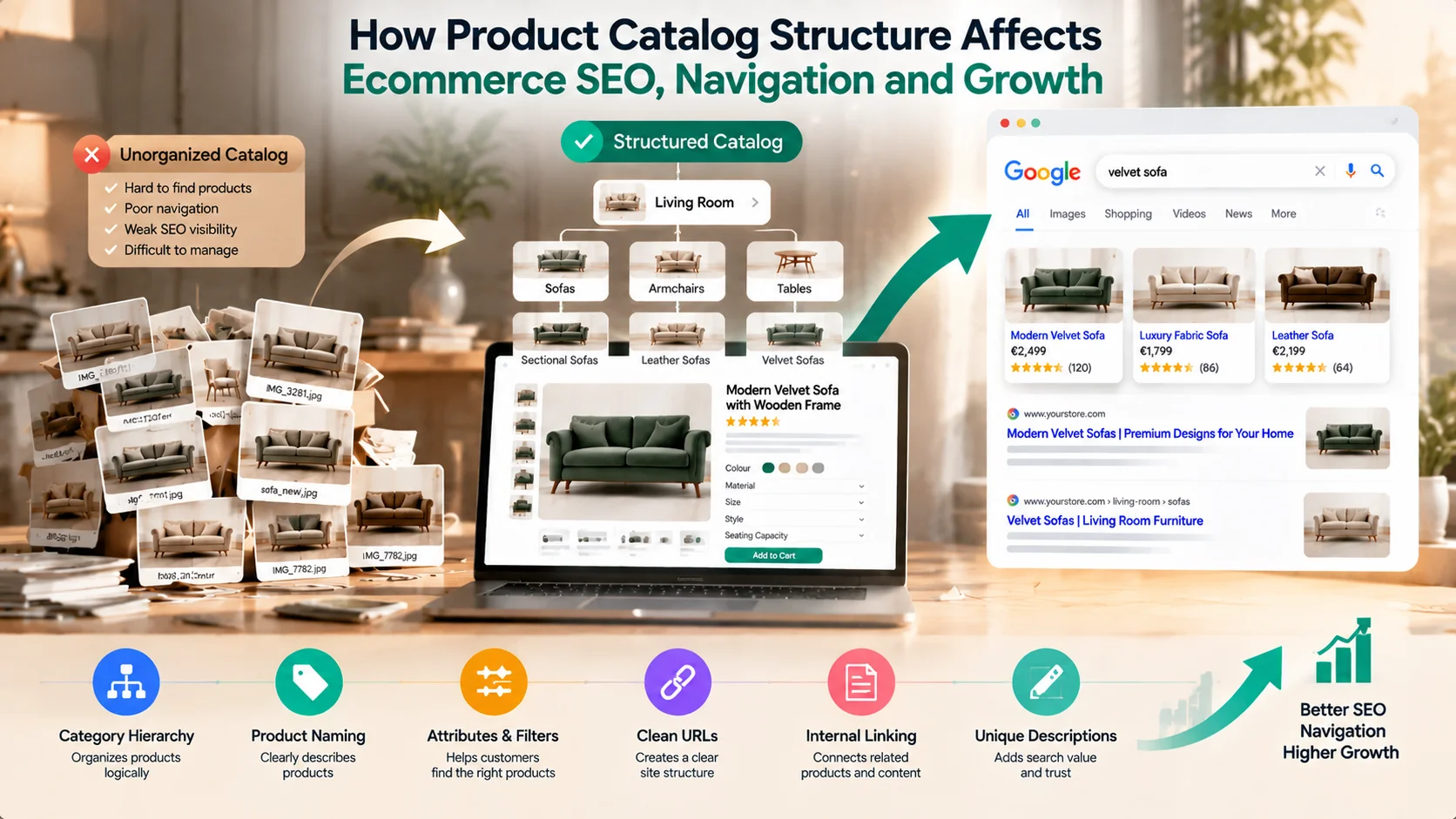
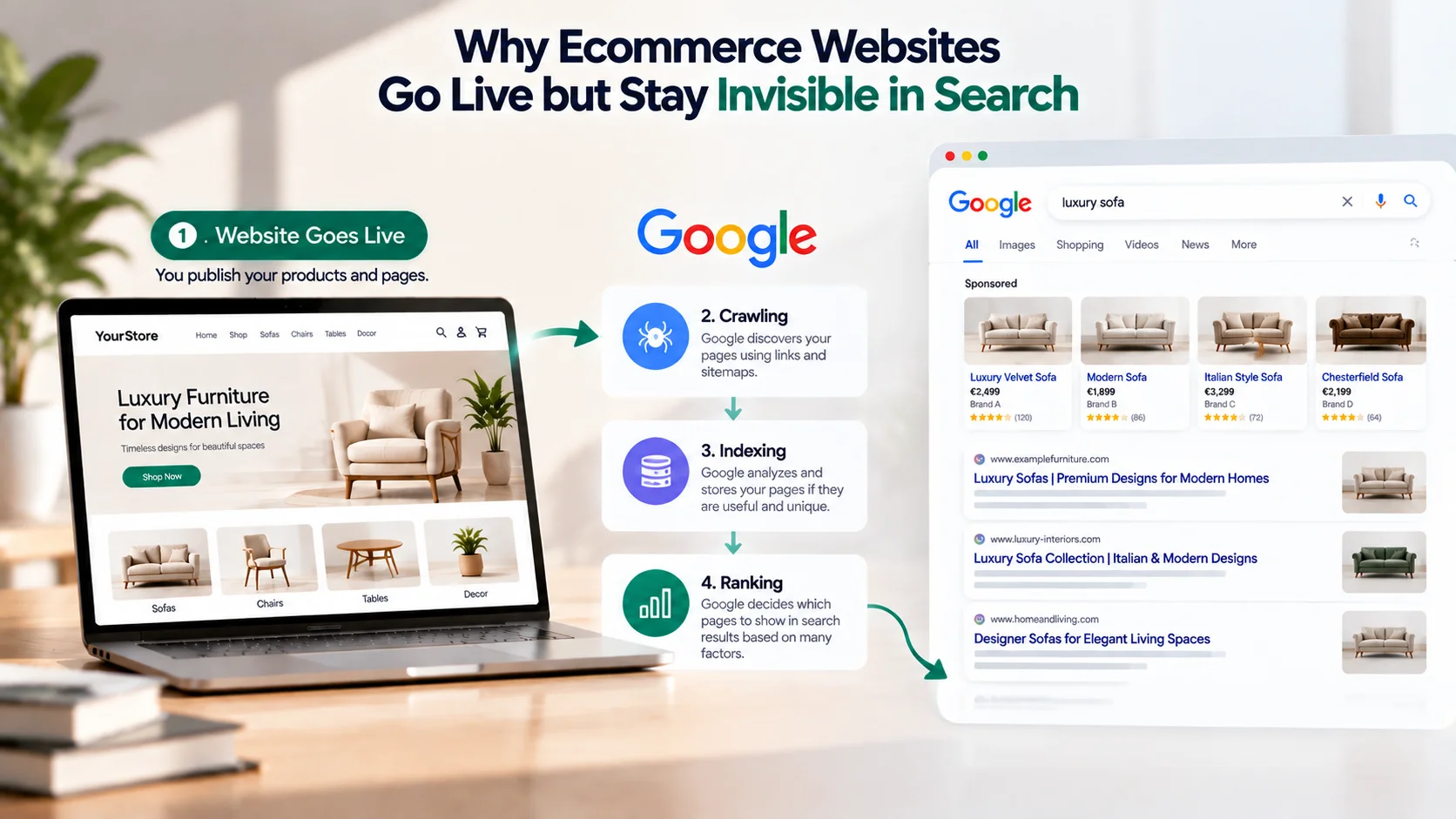
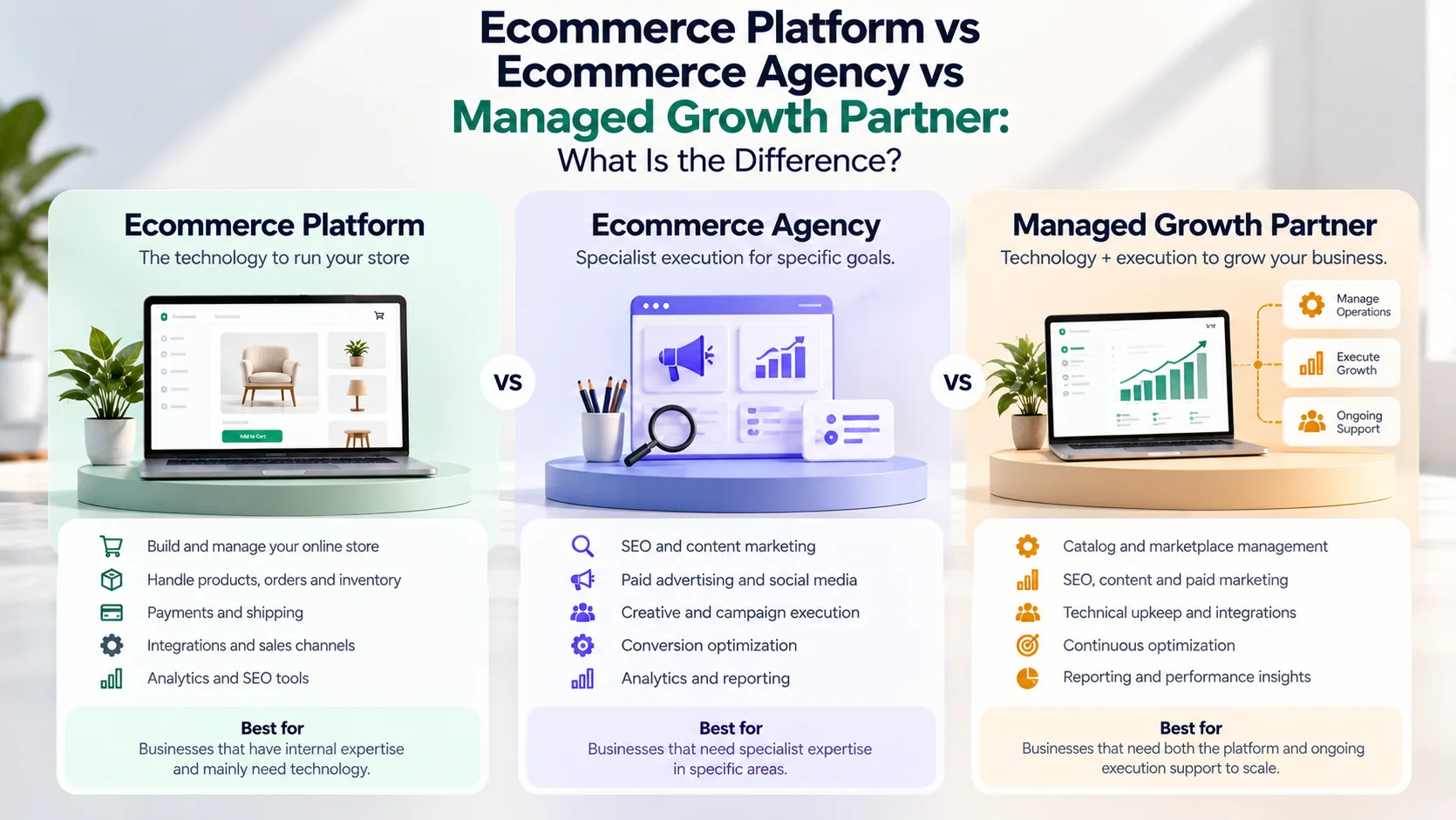
Choosing how to run an ecommerce business is not only a technology decision. It is also an operating-model decision. ...

Launching an online store has become easier than ever, but choosing the right platform is one of the most important d...
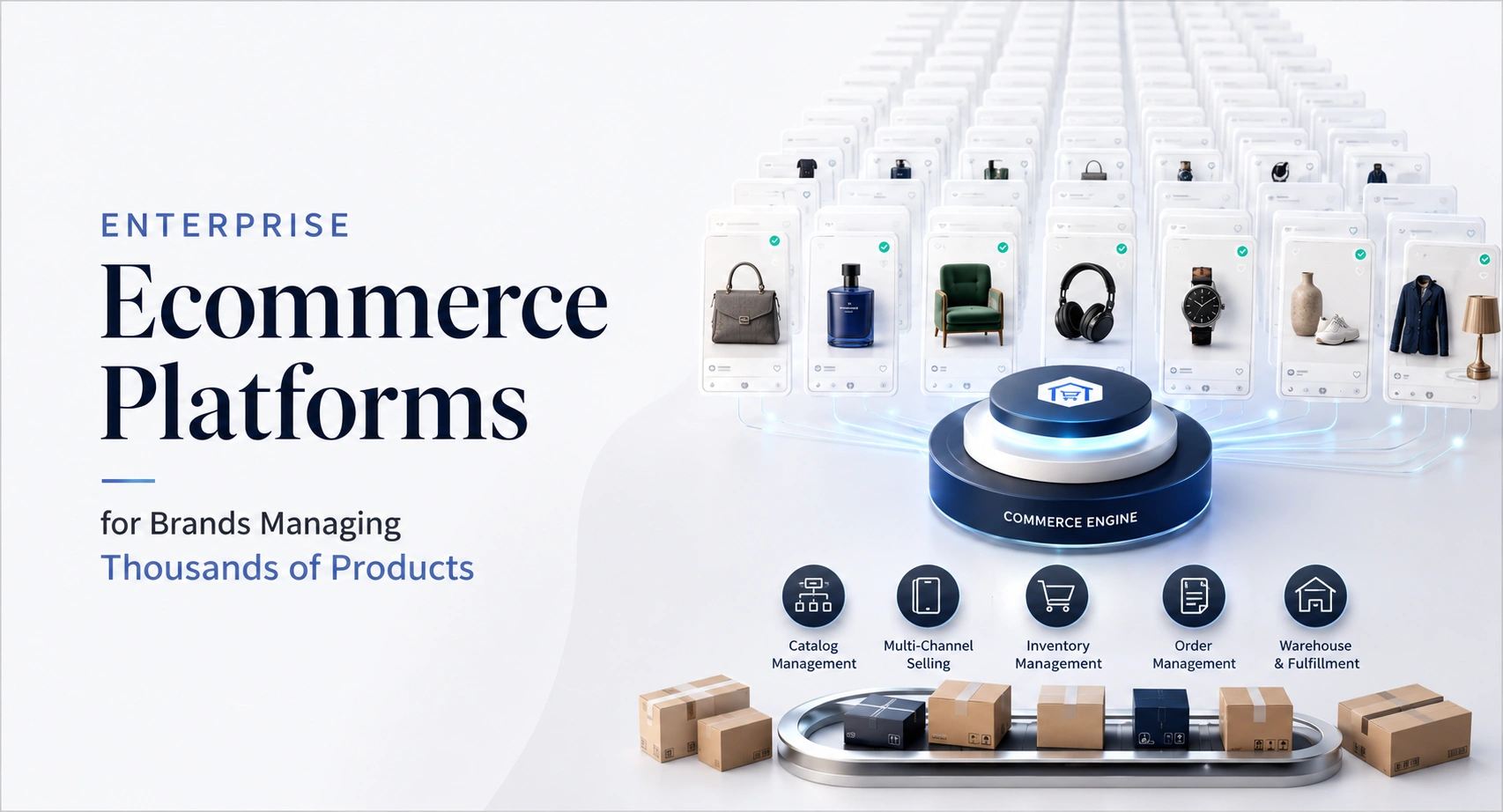
Managing a large product catalog is one of the biggest challenges for growing ecommerce brands. As businesses expand,...