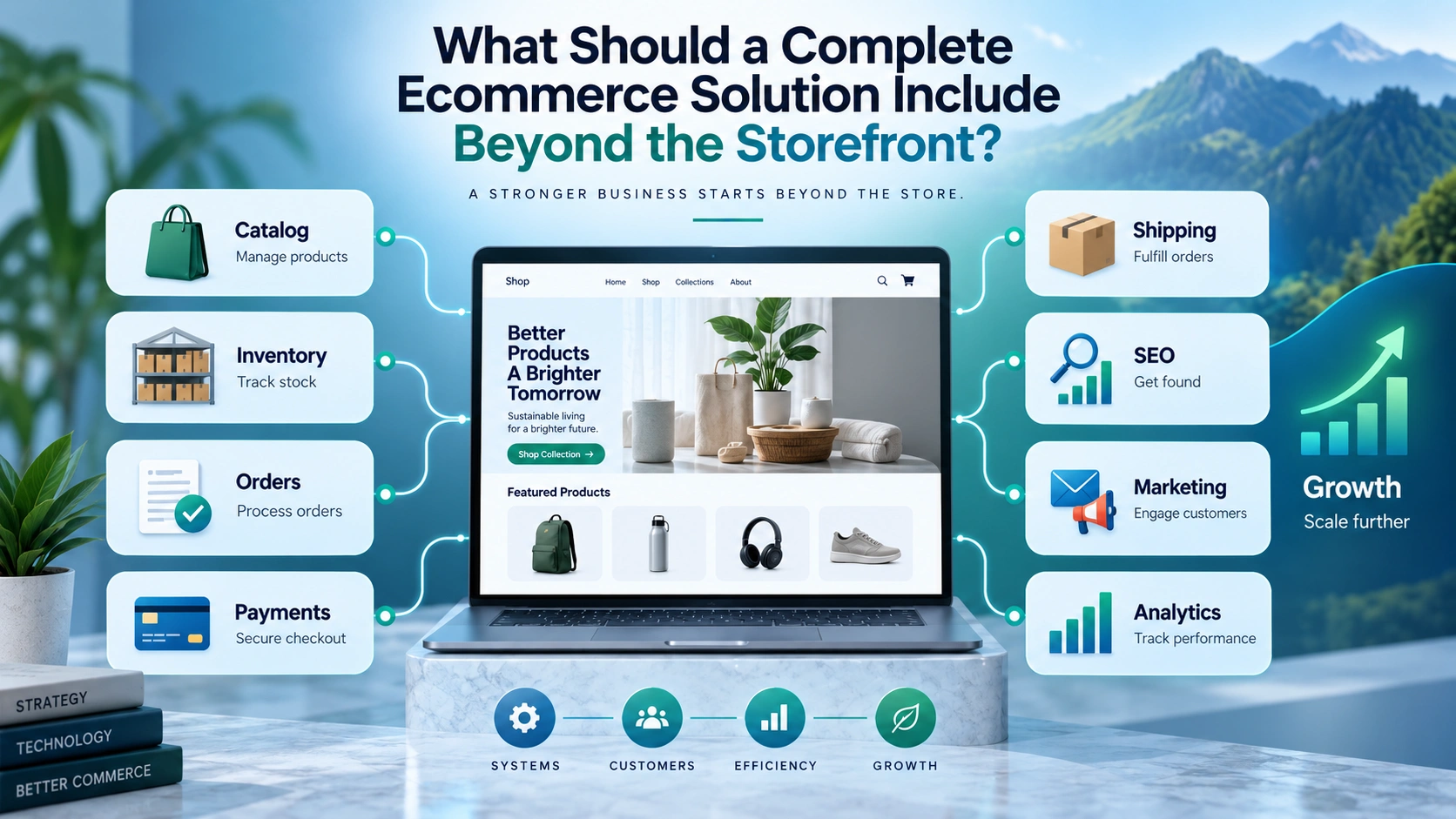
What Should a Complete Ecommerce Solution Include Beyond the Storefront?
September 14, 2026
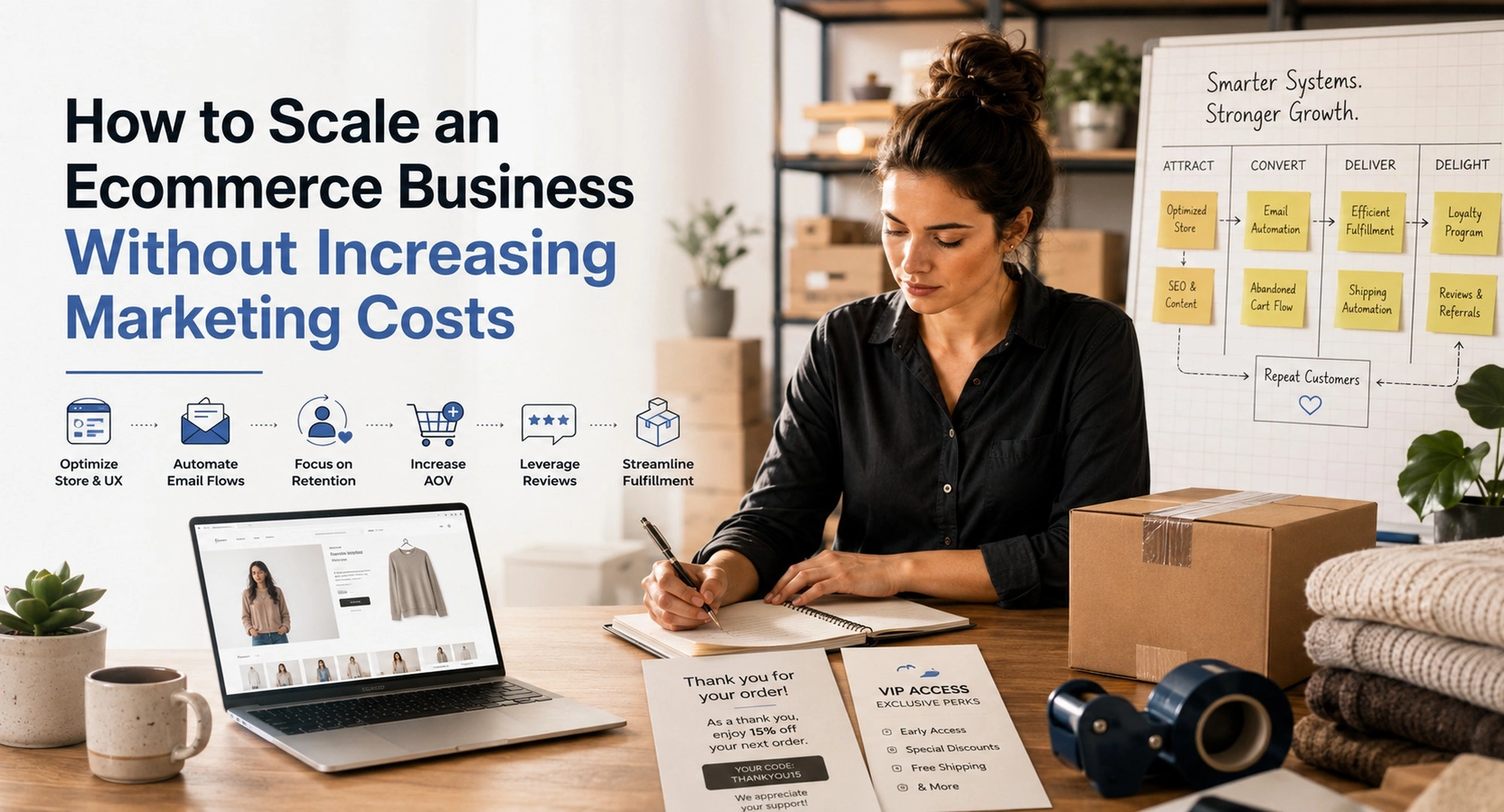
Growing an online store often comes with a common assumption—you need to spend more on advertising to generate more sales. While paid marketing can drive traffic, it isn’t always the most sustainable way to grow. Many successful brands scale ecommerce business operations by improving efficiency, customer experience, and conversion rates instead of increasing their marketing budgets.
If your goal is to scale ecommerce business performance while controlling expenses, focusing on smarter strategies can deliver long-term results. By optimizing your website, improving customer retention, streamlining operations, and leveraging data, you can achieve consistent ecommerce growth without significantly increasing customer acquisition costs.
In this guide, you’ll learn practical strategies that help ecommerce business owners, growing brands, SMBs, startup founders, online retailers, D2C brands, and ecommerce managers expand their online stores while keeping marketing costs under control.
Many businesses believe that increasing revenue means increasing advertising spend. However, sustainable growth often comes from making better use of existing resources.
When you improve website performance, customer experience, and operational efficiency, you generate more value from the traffic you already have. Instead of paying for more visitors, you increase the number of visitors who become loyal customers.
This approach supports long-term profitability while creating a stronger foundation for ecommerce growth.
Before investing more in marketing, ensure your website converts visitors into customers effectively.
Simple improvements include:
Even a small increase in conversion rate can significantly increase revenue without attracting additional traffic.
Review your website regularly and identify areas where customers may be abandoning their purchase journey.
Keeping existing customers is often more cost-effective than acquiring new ones.
To improve customer retention:
Repeat customers usually spend more and require less marketing investment, making retention one of the most effective ways to scale ecommerce business success.
Instead of finding more customers, encourage existing customers to spend more during each purchase.
Effective strategies include:
Increasing average order value boosts revenue without increasing advertising costs, contributing directly to ecommerce growth.
Product pages play a major role in purchasing decisions.
Improve product pages by including:
Well-optimized product pages help customers make informed decisions and improve conversion rates.
Search engine optimization generates long-term organic traffic without requiring ongoing advertising expenses.
SEO best practices include:
Organic traffic continues to support ecommerce growth long after content is published.
Although SEO requires time and consistency, it often produces one of the highest returns on investment.
Email remains one of the most cost-effective marketing channels.
Build automated email campaigns for:
Email marketing strengthens customer relationships while increasing repeat purchases at a relatively low cost.
Businesses that maximize email marketing often scale ecommerce business operations more efficiently than those relying only on paid advertising.
Customer reviews build trust and influence purchasing decisions.
Encourage satisfied customers to leave reviews by:
Authentic reviews improve credibility and increase conversion rates without requiring additional marketing investment.
They also contribute valuable user-generated content that supports SEO.
Inventory inefficiencies can reduce profitability and slow business growth.
Improve inventory management by:
Better inventory control reduces operational costs and improves customer satisfaction.
Automation saves time and allows your team to focus on higher-value activities.
Consider automating:
Automation improves operational efficiency and supports ecommerce growth without increasing labor costs.
Successful ecommerce businesses rely on analytics rather than assumptions.
Monitor important metrics such as:
Analyzing performance helps identify opportunities to improve profitability before increasing marketing budgets.
Most ecommerce traffic now comes from mobile devices.
Ensure your website offers:
A better mobile experience improves customer satisfaction and increases conversions.
Exceptional customer service creates loyal customers who return repeatedly.
Focus on:
Satisfied customers become repeat buyers and recommend your business to others, supporting long-term ecommerce growth.
Your current customers are one of your most valuable assets.
Increase customer lifetime value through:
Generating more revenue from existing customers allows you to scale ecommerce business performance without increasing acquisition costs.
Many online shoppers leave without completing their purchase.
Common solutions include:
Recovering abandoned carts increases sales using traffic you already have.
Strong branding reduces dependence on paid advertising.
Customers are more likely to return to brands they recognize and trust.
Focus on:
A memorable brand encourages repeat purchases and organic referrals.
Avoid these common mistakes:
Addressing these issues creates a stronger foundation for sustainable growth.
Learning how to scale ecommerce business operations without increasing marketing costs requires a shift in strategy. Instead of relying solely on larger advertising budgets, successful businesses improve website performance, optimize conversions, strengthen customer relationships, and automate key processes.
From increasing average order value and improving SEO to enhancing customer retention and using analytics effectively, every improvement contributes to long-term ecommerce growth.
By focusing on efficiency rather than simply spending more, ecommerce businesses can build a scalable, profitable, and sustainable online store that continues to grow in an increasingly competitive marketplace.
Running a business today is very different from what it was a decade ago. The internet has changed the way people sho...
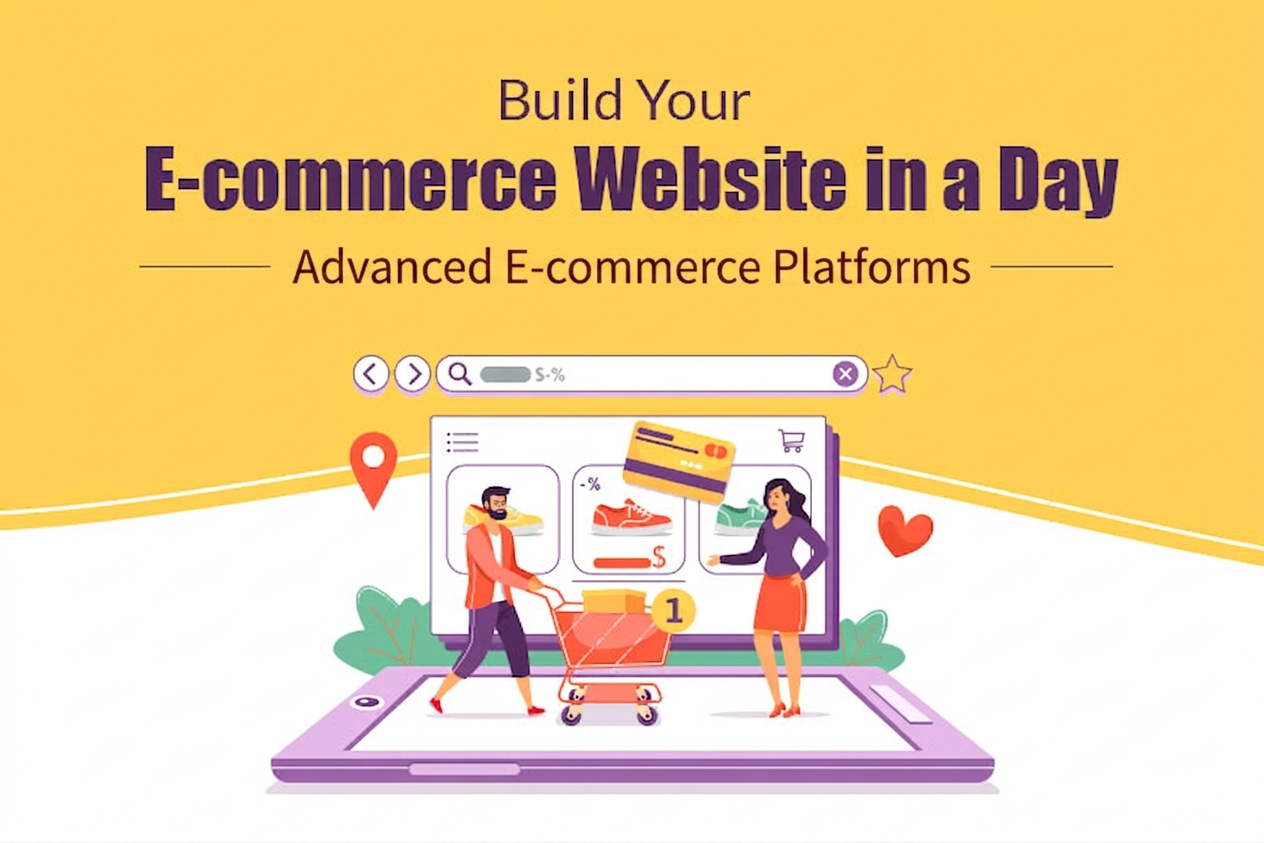
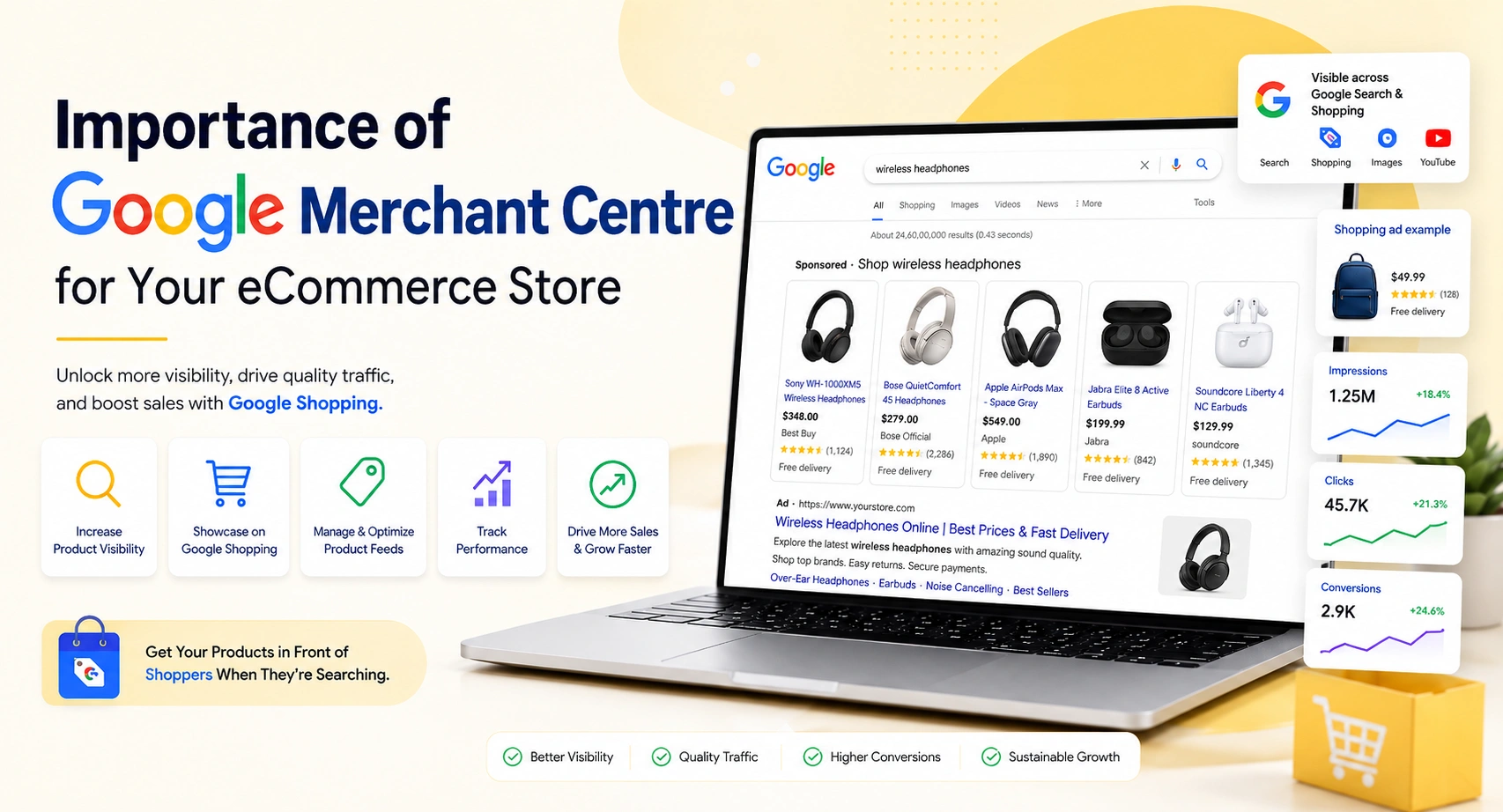
Having an online eCommerce website is crucial for business expansion in today’s digital environment. As more pe...