Ecommerce Growth Strategies for Growing Online Stores
- June 4, 2026
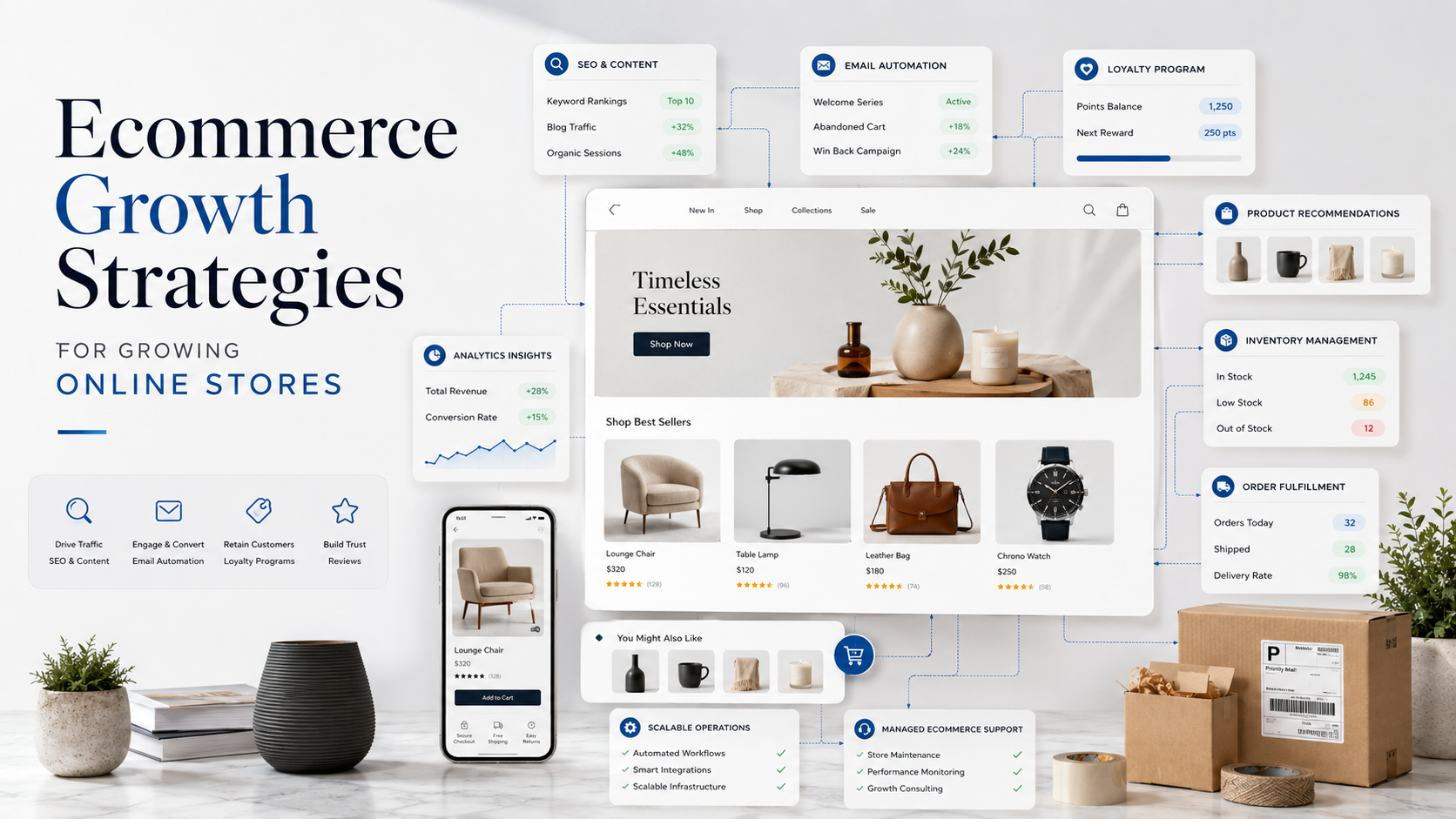
Growing an online store takes more than adding new products and launching marketing campaigns. As competition increases and customer expectations evolve, businesses need a clear strategy to achieve sustainable ecommerce growth. From improving customer experience to optimizing operations and investing in the right technology, every decision plays a role in long-term success.
For small and medium-sized businesses, ecommerce growth is about creating a strong foundation that supports increasing traffic, higher sales, and better customer retention. As online stores expand, managing inventory, marketing, customer service, and website performance becomes more complex. This is where managed ecommerce solutions can help streamline operations and allow business owners to focus on scaling their business.
In this guide, we’ll explore practical ecommerce growth strategies that help online retailers and D2C brands increase revenue, improve efficiency, and build a scalable online business.
What Is Ecommerce Growth?
Ecommerce growth refers to the continuous expansion of an online business through increased sales, customer acquisition, operational efficiency, and stronger brand recognition. It involves more than generating revenue—it focuses on building a business that can adapt to changing market demands and grow sustainably.
Successful ecommerce growth is driven by a combination of technology, customer experience, marketing, and data-driven decision-making.
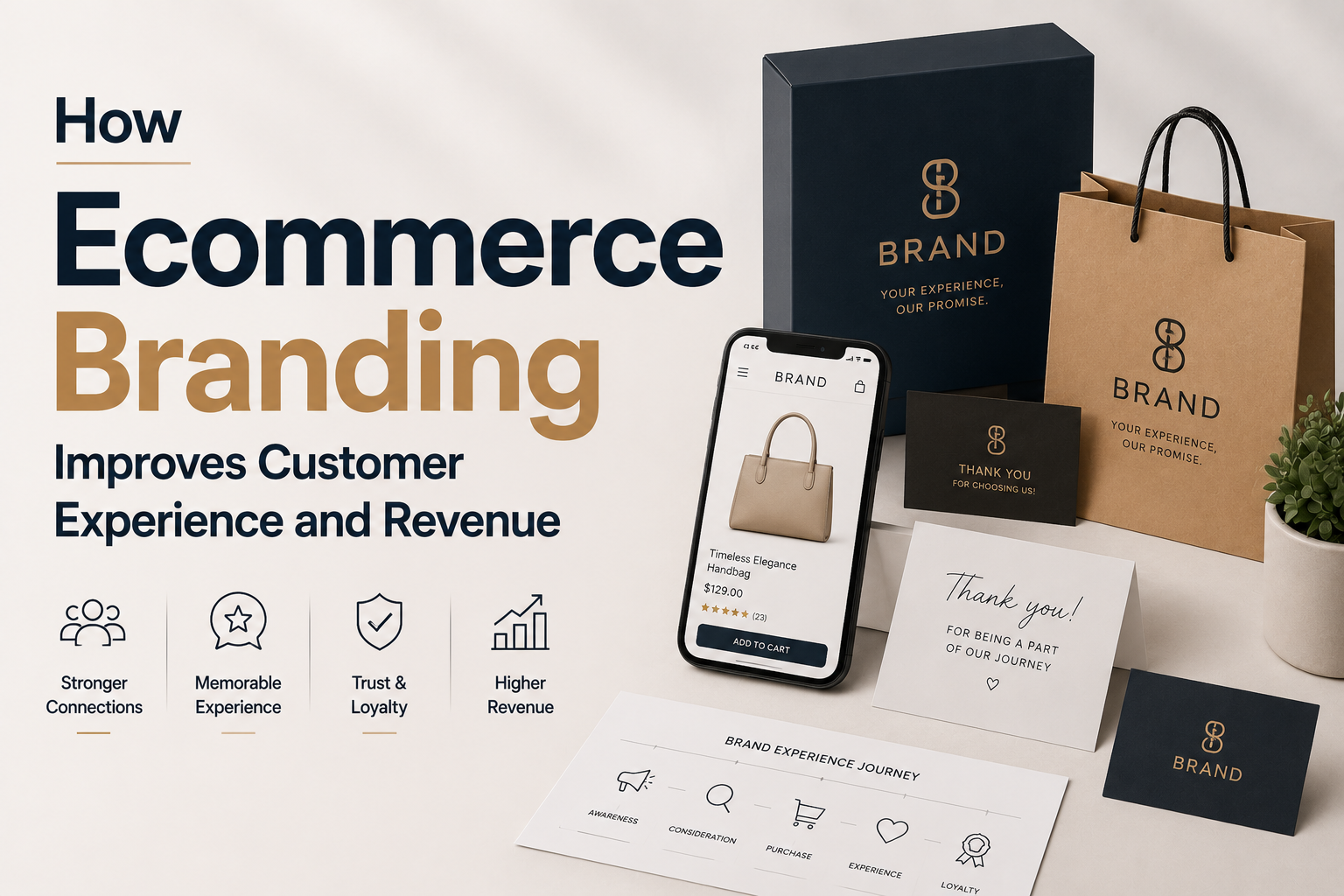
Build a Strong Brand Identity
A recognizable brand helps businesses stand out in a competitive market. Customers are more likely to purchase from brands they trust and remember.
Focus on creating:
- A professional website design
- Consistent branding across all channels
- Clear messaging and brand values
- High-quality product presentation
Strong branding improves customer confidence and encourages repeat purchases, supporting long-term ecommerce growth.
Optimize Your Website for Better Performance
Website performance has a direct impact on customer satisfaction and conversion rates. Slow-loading pages often result in abandoned visits and lost sales.
To improve performance:
- Optimize images
- Use fast hosting
- Enable browser caching
- Minimize unnecessary scripts
- Improve mobile responsiveness
A fast, user-friendly website provides a better shopping experience and supports ecommerce growth by keeping visitors engaged.
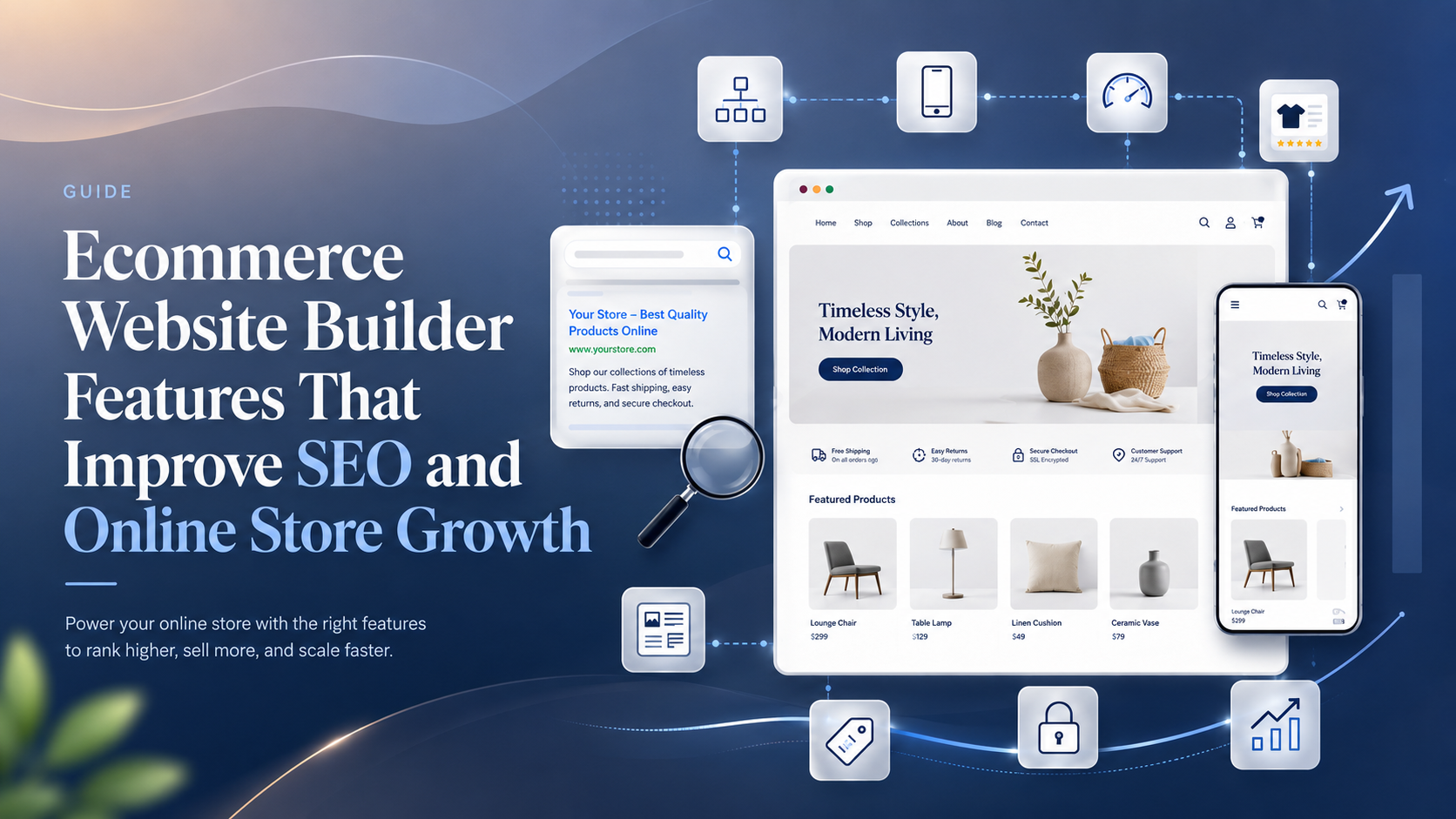
Invest in SEO
Organic traffic is one of the most cost-effective ways to grow an online store. Search engine optimization helps potential customers discover your products when searching online.
Effective SEO practices include:
- Targeting relevant keywords
- Writing unique product descriptions
- Optimizing page titles and meta descriptions
- Creating SEO-friendly URLs
- Publishing valuable blog content
Consistent SEO efforts help increase visibility and generate long-term traffic without relying solely on paid advertising.
Improve Customer Experience
Customer experience influences every stage of the buying journey. A positive experience encourages customers to complete purchases and return in the future.
Focus on:
- Easy website navigation
- Fast product search
- Simple checkout process
- Clear product information
- Mobile-friendly design
Satisfied customers are more likely to recommend your store, helping drive organic ecommerce growth.
Use Data to Make Smarter Decisions
Analytics help businesses understand customer behavior and identify opportunities for improvement.
Monitor important metrics such as:
- Website traffic
- Conversion rate
- Average order value
- Customer lifetime value
- Cart abandonment rate
Using data effectively allows businesses to refine marketing strategies and improve overall performance.
Expand Your Marketing Channels
Relying on a single marketing channel limits growth potential. Diversifying your marketing efforts helps you reach more customers.
Consider using:
- Search engine optimization
- Email marketing
- Social media marketing
- Paid advertising
- Influencer partnerships
- Content marketing
A multi-channel strategy creates more opportunities to attract and convert customers.
Personalize the Shopping Experience
Modern customers expect personalized experiences. Showing relevant products and offers increases engagement and conversions.
Personalization strategies include:
- Product recommendations
- Personalized emails
- Targeted promotions
- Customer segmentation
- Dynamic content
Personalized shopping experiences strengthen customer relationships and encourage repeat business.
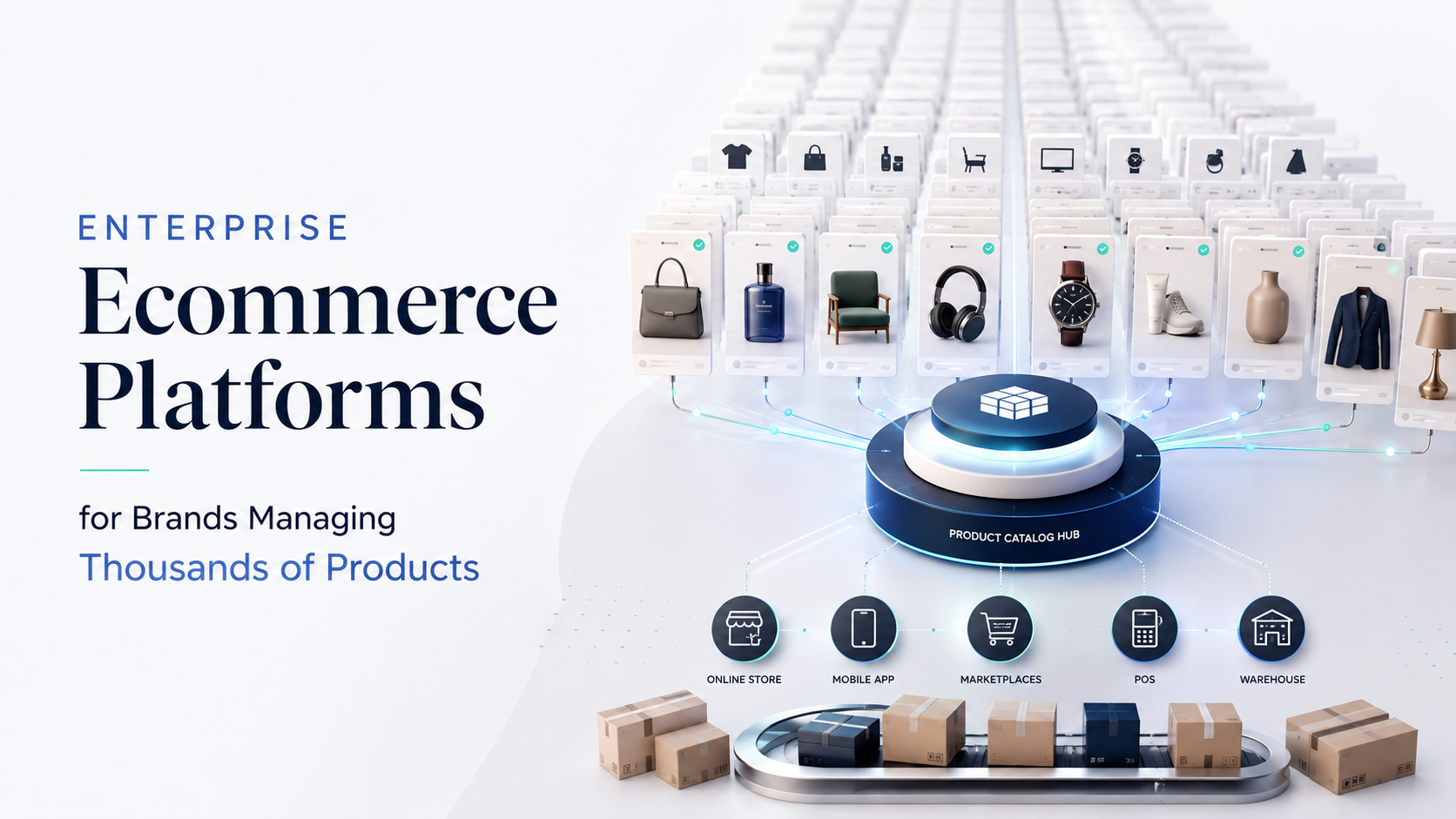
Strengthen Inventory Management
Poor inventory management can lead to overselling, stock shortages, and dissatisfied customers.
Implement systems that allow you to:
- Track inventory in real time
- Automate stock updates
- Manage multiple warehouses
- Forecast demand
Efficient inventory management supports smoother operations and helps maintain customer trust.
Leverage Managed Ecommerce Solutions
As online stores grow, managing technical tasks becomes increasingly challenging. Managed ecommerce services help businesses maintain performance while reducing operational complexity.
Managed ecommerce typically includes:
- Website monitoring
- Security management
- Performance optimization
- Platform updates
- Technical support
By outsourcing technical management, business owners can focus on product development, customer relationships, and strategic ecommerce growth.
Build Customer Loyalty
Acquiring new customers is important, but retaining existing ones is often more profitable.
Encourage loyalty through:
- Rewards programs
- Exclusive discounts
- Personalized communication
- Excellent customer support
- Fast order fulfillment
Loyal customers are more likely to make repeat purchases and recommend your business to others.
Scale Your Operations
Growth requires systems that can handle increasing demand.
Prepare your business by:
- Automating repetitive tasks
- Improving order processing
- Expanding payment options
- Enhancing shipping capabilities
- Integrating business software
Scalable operations reduce bottlenecks and support continued ecommerce growth.
Monitor Industry Trends
The ecommerce landscape changes rapidly. Staying informed helps businesses remain competitive.
Watch for trends such as:
- AI-powered shopping experiences
- Voice commerce
- Mobile commerce
- Sustainable packaging
- Omnichannel retail strategies
Adapting to new technologies and customer expectations positions your business for future success.
Common Mistakes That Limit Ecommerce Growth
Many businesses slow their own progress by making avoidable mistakes.
Common issues include:
- Ignoring SEO
- Poor mobile optimization
- Slow website performance
- Weak branding
- Inconsistent customer service
- Limited marketing efforts
Addressing these challenges early creates a stronger foundation for long-term success.
Measuring Ecommerce Growth
Tracking progress helps businesses understand what strategies are working.
Key performance indicators include:
- Revenue growth
- Conversion rate
- Customer acquisition cost
- Repeat purchase rate
- Average order value
- Customer lifetime value
Regular performance reviews help identify opportunities for improvement and guide future business decisions.
Conclusion
Achieving sustainable ecommerce growth requires a combination of strategic planning, customer-focused experiences, effective marketing, and scalable technology. Growing businesses should continuously improve their website performance, strengthen their brand, invest in SEO, and use data to make informed decisions.
As operations become more complex, managed ecommerce solutions can provide the technical support needed to maintain performance and efficiency. By focusing on both customer satisfaction and operational excellence, online stores can build a strong foundation for long-term growth, increased revenue, and lasting success in the competitive ecommerce marketplace.